Overview

Ideas That Shape Sustainable Futures

Our Centre of Excellence (CoE) for Public Policy, Sustainability, and ESG advances research and dialogue on responsible governance, sustainable development, and policy innovation. Bringing together expertise from academia, industry, policy institutions, and civil society, we explore solutions to complex social, economic, and environmental challenges. It aligns with the United Nations Sustainable Development Goals (SDGs) and emphasises collaborative approaches to issues such as poverty, climate change, and inclusive growth.

We also support organisations, particularly emerging enterprises and MSMEs in adopting responsible ESG practices and building strategies for long-term sustainability. Established to mark 25 years of Alliance University’s academic journey, the centre reflects our University’s commitment to interdisciplinary research, responsible leadership, and meaningful global impact.

Driven by Our Vision

We aim to promote and inspire positive change through academic excellence for the greater social good.

Guided by Our Mission

We strive to create and support an environment of rigorous, systematic, and evidence-based research by integrating social sciences and allied disciplines in the fields of ESG, sustainability, and public policymaking, while fostering a culture of sustainable and inclusive policy that drives meaningful social change.
Objectives

Our Strategic Objectives

Promote and facilitate multidisciplinary research with a focus on sustainability and inclusivity.

Undertake cutting-edge ESG research, with particular emphasis on just transition and due diligence strategies.

Contribute to the national vision of Viksit Bharat 2047 by developing effective intervention strategies for implementation at the local level.

Facilitate research and development programs for political leaders, enabling informed campaign strategies, policy analysis, leadership development, and evidence-based decision-making.

Advance rigorous research on critical issues such as social development, global justice, climate change, economic studies, law and justice reforms, and futurist studies.

MAJOR PROJECTS

Areas of Impact

  • Public Policy
  • Sustainability
  • ESG Research
  • Programs and Certifications
  • Political Training and Election Strategy
Team Members

Dr. Mukul Saxena

Professor & Director

Centre for PG and Legal Studies and Centre of Excellence in Public Policy, Sustainability and ESG Research

Dr. Sakeena Hassan

Assistant Professor

Alliance School of Law

Dr. Sunil Prashar

Assistant Professor

Centre of Excellence in Public Policy, Sustainability and ESG Research

Dr. Ashraf Alam

Ms. Kavitha Christo Nelson

Ms. Amulya J Shetty

Mr. Harikrishnan S

Ms. Kanika Bhargava

Ms. Sunanda

Infrastructure and Facilities
Built for Research, Dialogue, and Discovery

We provide dedicated infrastructure that supports rigorous research, collaboration, and policy-focused learning.

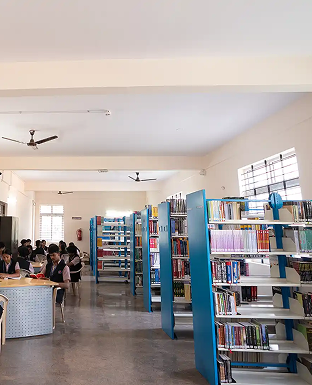
Our Centre operates from CLC 01 at Alliance University, where we facilitate research activities, academic discussions, and interdisciplinary engagement. We also utilise the Reading Hall on the 1st floor of the university library, offering a quiet and well-equipped environment for scholars and researchers to conduct in-depth study and analysis.

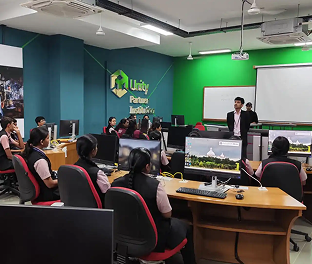
The Centre is further supported by IT-enabled facilities and digital research resources, allowing faculty members, researchers, and scholars to access data, academic materials, and collaborative tools essential for advancing research in public policy, sustainability, and ESG.

Courses and Certifications

Curriculum for Scientific Discovery

Our Centre supports academic programs that integrate public policy, sustainability, and ESG into teaching and research. Through specialised courses and proposed programs, we aim to equip students with the knowledge and analytical skills needed to address complex social, economic, and environmental challenges.

Sustainable Development Goals (SDG) Course For Engineering Students

Integrating the Sustainable Development Goals (SDG) into engineering education is essential for preparing future engineers to address global challenges. The course emphasises the Triple Bottom Line — People, Planet, and Profit, encouraging engineers to develop solutions that are socially responsible, environmentally sustainable, and economically viable.

By engaging with the 17 United Nations Sustainable Development Goals, students gain a deeper understanding of issues such as water scarcity, energy transition, sustainable cities, and responsible resource management. The course also introduces concepts such as the circular economy and sustainable supply chains, helping graduates build competencies valued by sustainability-focused organisations.

Key Learning Outcomes
  • Systems thinking and sustainable design approaches
  • Social and ethical responsibility in engineering practice
  • Understanding of circular economy and resource efficiency
  • Collaboration and interdisciplinary problem-solving skills
  • Civil and Environmental Engineering: Water management and sustainable cities
  • Electrical Engineering: Affordable and clean energy systems
  • Mechanical Engineering: Responsible consumption and sustainable production
  • Computer Science: Digital infrastructure and technology-driven solutions

Master in Public Policy Program (Proposed)

Goal

To develop policy professionals capable of designing and implementing policies that promote social justice, inclusive growth, and public well-being.

The proposed Master in Public Policy (MPP) program offers three specialised tracks:

  • Economics and Social Policy

Focuses on addressing social inequalities and welfare challenges, including poverty alleviation, healthcare systems, and education policy interventions.

  • Artificial Intelligence and Technology Policy

Examines the role of artificial intelligence in governance, digital policymaking, cyber security, and e-governance systems to improve public service delivery.

  • ESG and Corporate Sustainability

Explores sustainable corporate practices, ESG frameworks, and responsible business strategies that align organisational operations with long-term environmental and social impact.

Doctoral Program in Public Policy

The PhD in Public Policy is designed to support rigorous, systematic, and evidence-based research. The program integrates social sciences and allied disciplines to address real-world policy challenges and promote meaningful social change.

Goal

To foster a research-driven environment that integrates social sciences and interdisciplinary approaches to policy development and societal transformation.

  • Supporting policy research through funded projects and academic initiatives
  • Building a strong network for intellectual exchange and policy dialogue
  • Encouraging research dissemination through international conferences and Scopus-indexed journals
Internships and Live Projects

Experiential Learning in Action

We provide opportunities for students and researchers to engage in certified internships that address real-world challenges. These initiatives combine academic research with field-based insights, enabling participants to analyse policy implementation, work with stakeholders, and develop practical solutions that contribute to social and economic development.

Goal: Provide hands-on training for the interns on SDG-related projects. 

Activities: 

  • Internship offerings for 30 hours per week
  • Real-world projects with government and NGOs collaborations
  • Exposure to drafting public policy


Live Projects

1. Strengthening Anganwadi Centres for Enhanced Early Childhood Care and Education (ECCE) in Karnataka

Researcher: Chukki

Anganwadi Centres (AWCs) play a critical role in India’s early childhood care system but often face challenges such as inadequate infrastructure, inconsistent service delivery, and limited training for Anganwadi Workers (AWWs). To address these issues, the Centre of Excellence conducted a detailed policy-focused field study aimed at developing a comprehensive policy framework for AWCs in Karnataka.

The initiative seeks to strengthen Early Childhood Care and Education (ECCE), nutrition services, and operational efficiency, aligning with the National Education Policy (NEP) 2020 and Poshan 2.0 guidelines. Field surveys were conducted across selected districts to evaluate infrastructure, learning materials, nutrition services, and ECCE pedagogy.

Through this initiative, the Centre of Excellence served as the primary research and policy advisory partner, collaborating with the Department of Women and Child Development, Government of Karnataka, to support holistic early childhood development.

Researcher: Phani Priya

Project Surya Shakti focuses on evaluating the PM Surya Ghar Muft Bijli Yojana in Srikakulam district, Andhra Pradesh, to assess its effectiveness, inclusivity, and sustainability in promoting solar energy adoption.

The study examines key aspects such as beneficiaries’ awareness, financial experiences, installation challenges, and the impact of subsidies on household energy access. As the PM-KUSUM Scheme (Component I) in the state is currently at the procurement and land-acquisition stage, the research primarily draws insights from field observations related to the PM Surya Ghar scheme.

The project aims to provide grassroots insights into policy implementation, supporting more equitable and sustainable energy access in Andhra Pradesh while informing future energy policy decisions.

Corporate Training and Executive Education

Where Leadership Meets Policy Thinking

Our Centre offers corporate training and executive education programs designed to strengthen analytical capabilities, leadership skills, and policy understanding among professionals and emerging leaders. These programs focus on developing practical knowledge and evidence-based approaches that support effective governance, responsible decision-making, and sustainable development.

Goal

To develop advanced analytical and research skills that enable participants to design and implement data-driven policy solutions.

Activities

  • Analytical and Research Skills: Training that equips participants with the ability to gather, analyse, and interpret information effectively for informed policy decision-making.
  • Public Governance and Leadership: Programs designed to build a strong understanding of public governance systems, institutional dynamics, and leadership in policy environments.
  • Ethics and Social Responsibility: Training that emphasises ethical decision-making and responsible leadership in policy and governance contexts.
  • Addressing Global Challenges: Preparing participants to address critical global issues such as climate change and social inequality with a strong focus on equity, inclusion, and sustainability.
  • Communication and Problem Solving: Developing the ability to communicate complex policy ideas clearly and address multifaceted policy challenges through innovative, evidence-based approaches.
Publications

Scientific Inquiry, Documented

We generate evidence-based insights that inform policy discussions, advance interdisciplinary knowledge, and support sustainable development. These publications reflect our rigorous research and meaningful contributions to global academic and policy discourse.

Publication

Title:
Harm Principle in Green Criminology: Environmental Harm and Human Risk Matrix

Authors:
Amulya J Shetty and Mukul Saxena

Affiliation:
Centre of Excellence in Public Policy, Sustainability and ESG Research, Alliance University, Bengaluru, India

Journal:
Frontiers in Climate (Q1)

Research Projects

Translating Research into Social Impact

Our research projects address emerging challenges in public policy, sustainability, governance, and social development. Through interdisciplinary collaboration and evidence-based inquiry, these initiatives generate insights that contribute to policy innovation and support informed decision-making. 

Completed Projects
  • Green Criminology and Environmental Crimes: The Future of Green Policing
  • Food Fortification Policy in India: A Study in Jharkhand, Karnataka, and Tamil Nadu
  • Integrated Skills, Knowledge and Competency Framework
  • Strengthening Climate Resilience Through Indigenous Knowledge: A Case Study of the Nilgiris Biosphere Reserve
  • A Study of International Sports Activities and Their Environmental Impact
  • Social Norms and Education: A Dialectical Tension Between Resistance and Change
  • An Integrated Legal Framework for AI and Copyright: With Special Reference to Attribution of Authorship and Ownership of AI-Generated Content
  • SDG Olympiad 2025
  • Examining AI-Powered Pricing in India’s E-Commerce Landscape: Post-Colonial Perspectives, Indigenous Goods, and the Interplay of Atmanirbhar Bharat and Viksit Bharat @2047 Initiatives
  • India @2070 – A Socio-Scientific Approach to Green Hydrogen Transition
  • The Dance of Democracy and the Dilemma of the First-Time Voter
  • Policy proposal for a state-wise Early Childhood Care and Education (ECCE) framework for children aged 3 to 6 in Karnataka
  • Policy proposal for Project Surya Shakti: Advancing Solar in Andhra Pradesh – Enhancing solar accessibility and efficiency by evaluating the PM Surya Ghar and PM-KUSUM schemes through field-based insights and policy recommendations
  • ISKCO Mentorship Program
  • A Unified Approach Towards Healthy Ageing: A Case Study of Bengaluru Urban District
  • Women Entrepreneurs in Kashmir: A Case Study of Srinagar
Hackathons

Encouraging Innovation Through Technical Challenges

Participation in national and global competitions plays an important role in encouraging innovation and problem-solving. 

We are collaborating with various other Centres of Excellence across Alliance University to facilitate participation in international platforms such as the SDG Olympiad 2025. These initiatives enable students and researchers to engage with real-world sustainability challenges while contributing solutions aligned with the United Nations Sustainable Development Goals (SDGs).

Gallery

In Focus