Innovation Begins
In Our LabsTransforming academic theory into tangible expertise, our laboratories serve as dynamic centers for hands-on discovery and innovation. These state-of-the-art facilities are meticulously designed to industry benchmarks, providing students across engineering, media, and the sciences with the specialized resources necessary to bridge the gap between classroom learning and real-world application.
With a sophisticated ecosystem of over 55 labs and dedicated Centres of Excellence, we foster an environment where students are empowered to experiment, innovate, and master the technical competencies required to lead in the global professional landscape.
A practice-oriented space that strengthens communication, research, presentation,analysis, and business decision-making skills. It helps students build confidence inexpressing ideas clearly and responding to realworld professional scenarios.
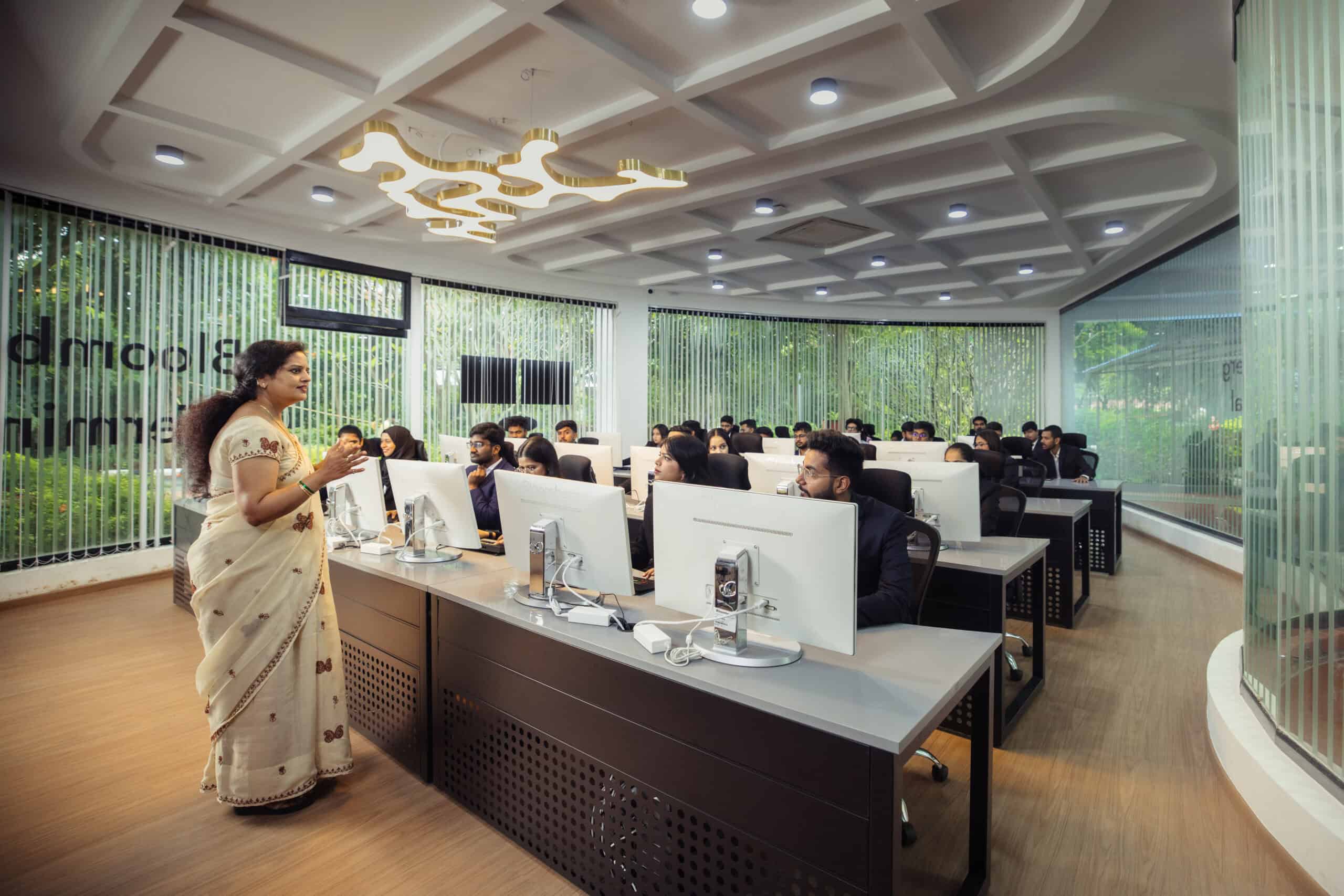
A professional financial analytics space that gives students access to real-time market data, business news, company information and global financial insights.
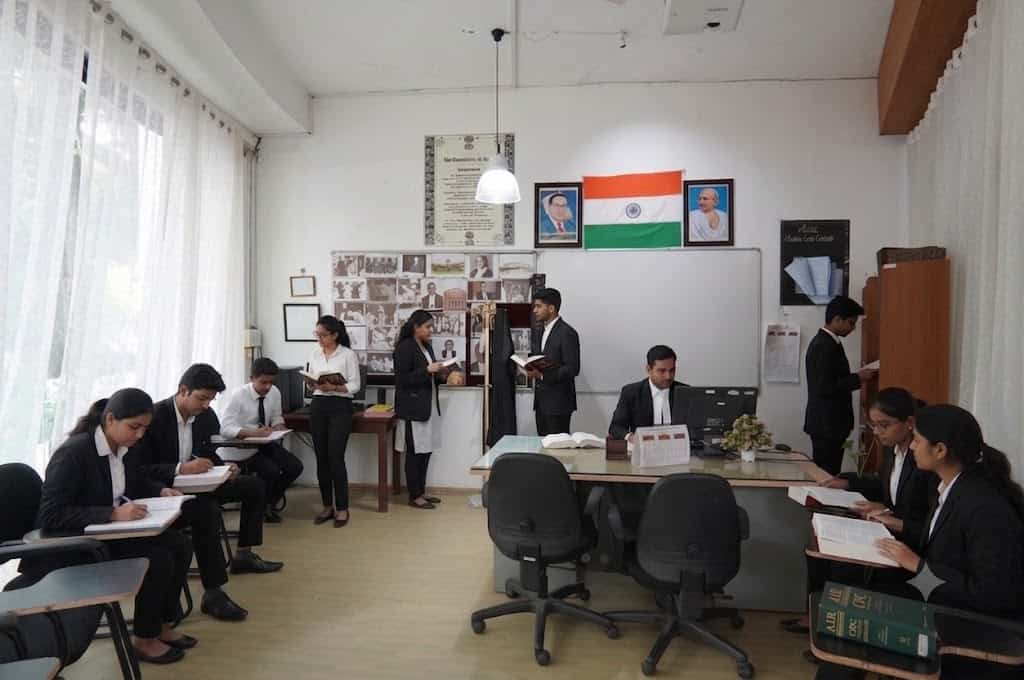
A socially engaged legal learning space where students understand the role of law in public service and community support. It offers exposure to legal awareness, rights-based conversations, and the practical responsibilities of the legal profession.
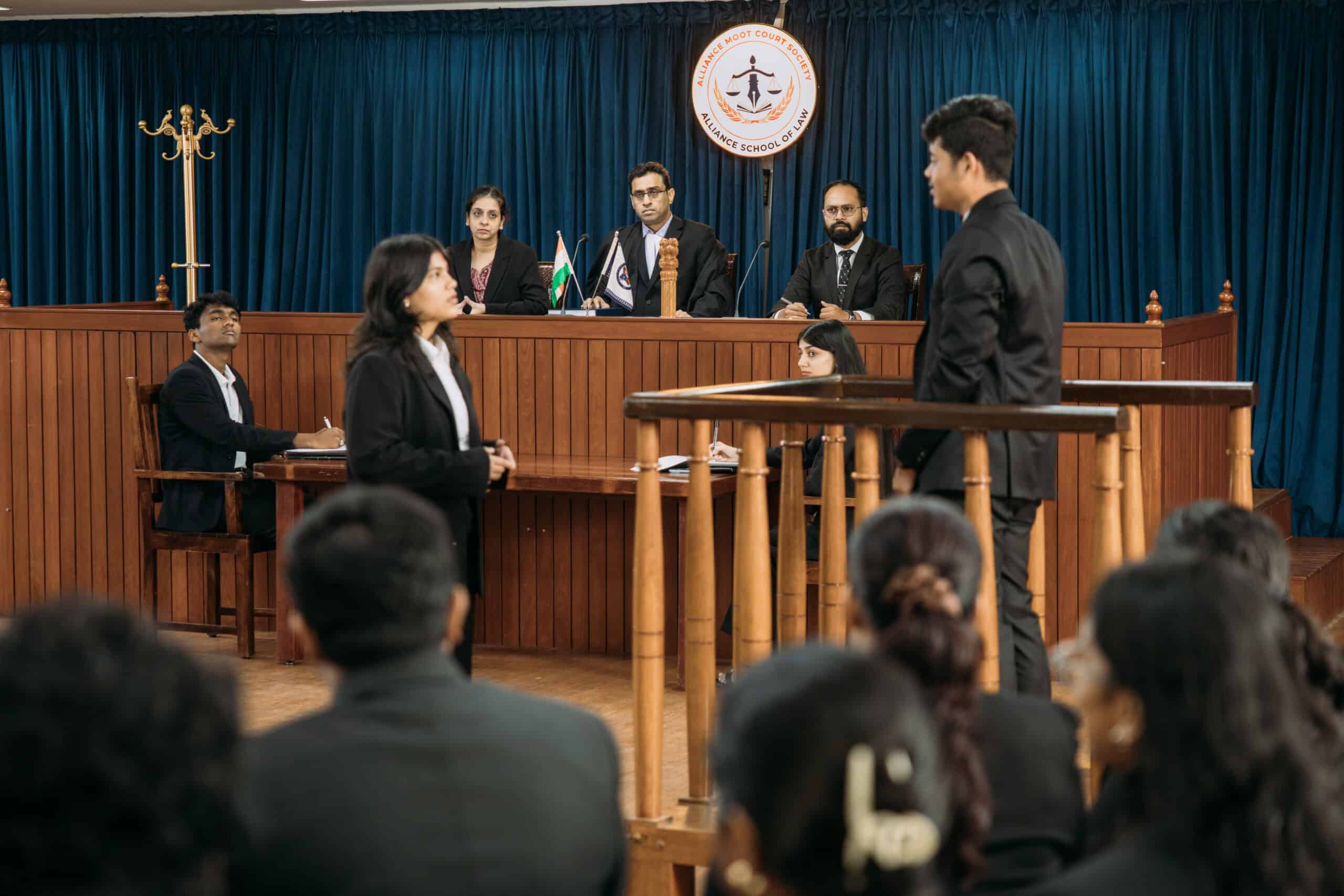
A simulated courtroom environment where students practise case preparation, legal argumentation, advocacy, and courtroom procedure. It helps them understand the discipline of law beyond textbooks by engaging with real legal situations and structured debate.
A dedicated space for film viewing, analysis, discussion, and appreciation of cinema as an art form and cultural text. It supports critical engagement with storytelling, direction, visual language, sound, performance, and social contexts.
A space for exploring how images, typography, layout, and design communicate ideas. Students engage with visual storytelling, digital tools, creative problem-solving, and the principles of effective communication across media formats.
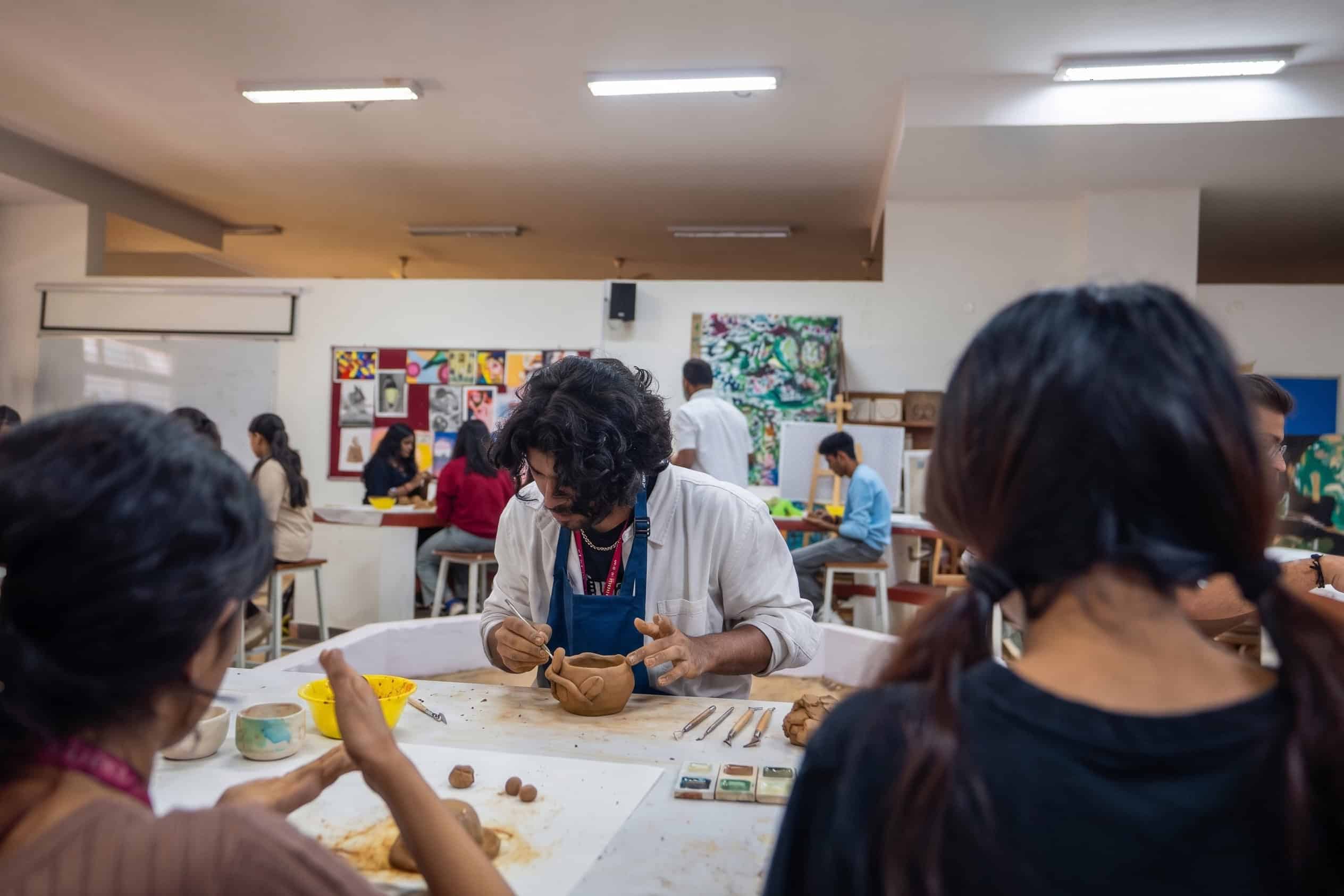
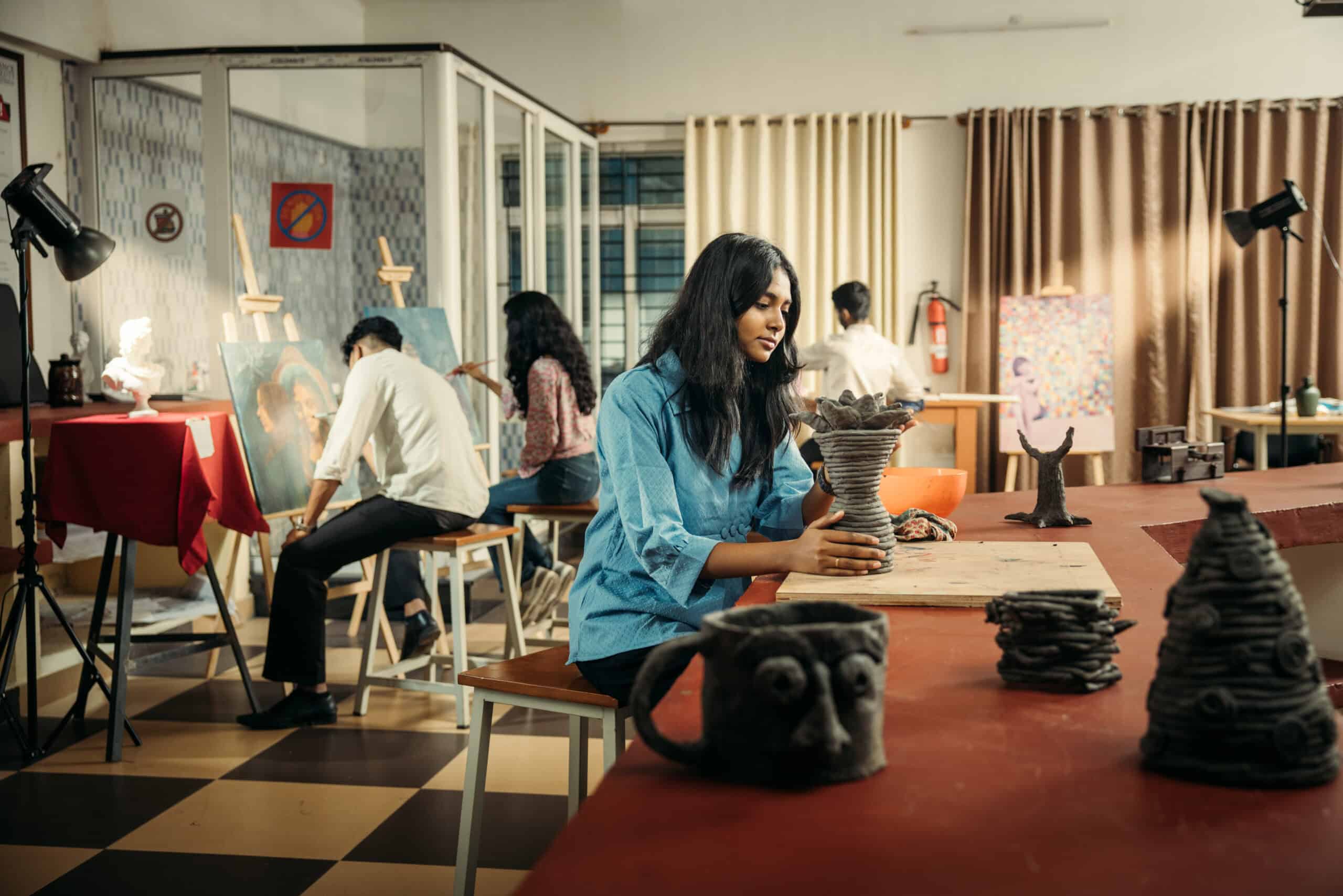
A hands-on space for working with clay, form, texture, volume, and three-dimensional artistic expression. It allows students to engage directly with materials while developing patience, technique, spatial understanding, and craft sensitivity.
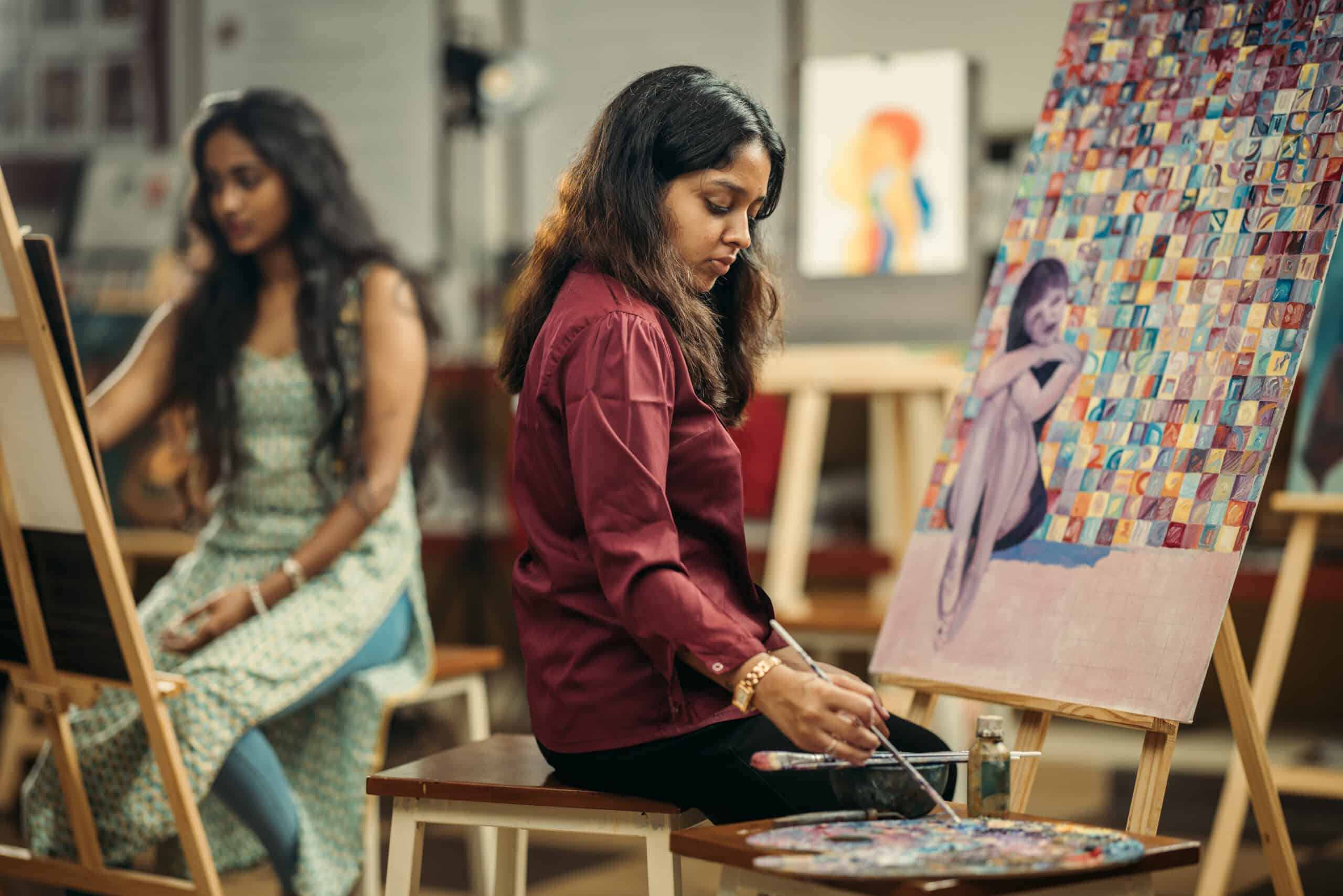
A creative studio where students explore visual expression through drawing, painting, composition, colour, and form. It encourages artistic discipline, experimentation, observation, and the development of an individual creative language.
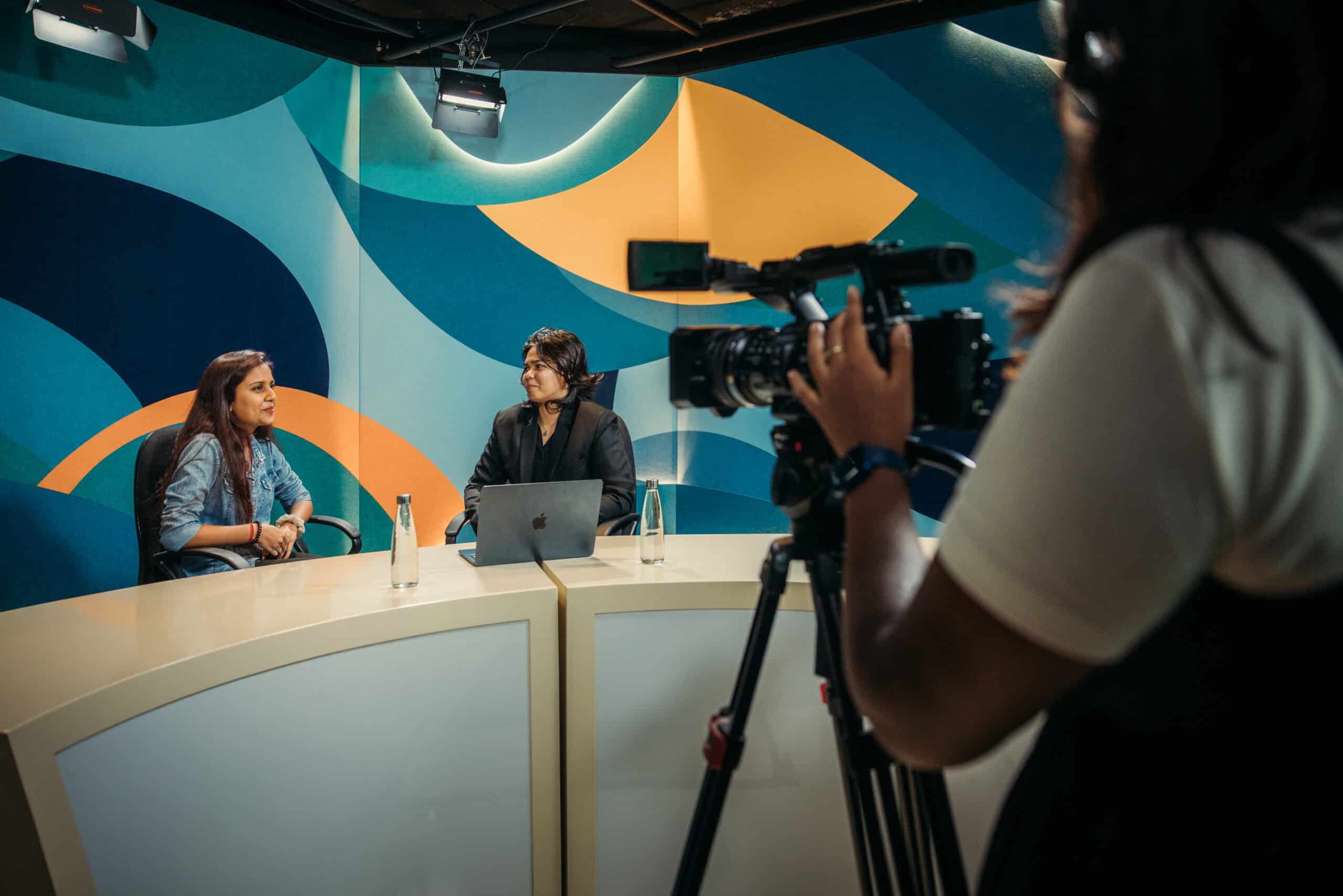
A professional newsroom-style environment where students practise reporting, writing, editing, anchoring, and production workflows. It helps them understand accuracy, urgency, ethics, and editorial judgement in the practice of journalism.
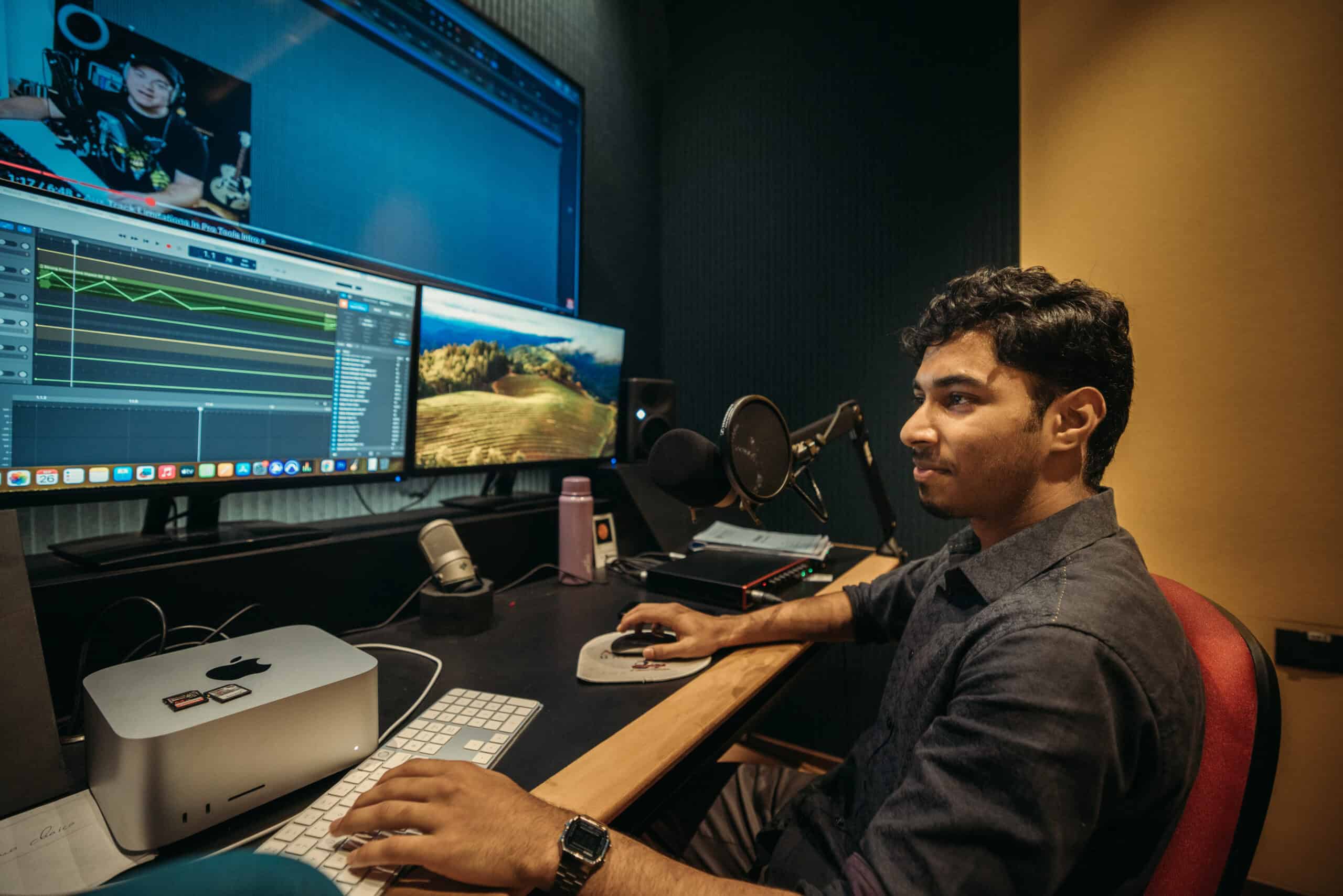
A specialised space for recording, editing, mixing, and refining audio for films, podcasts, broadcasts, and digital content. Students learn the role of sound in shaping mood, clarity, rhythm, and narrative impact.
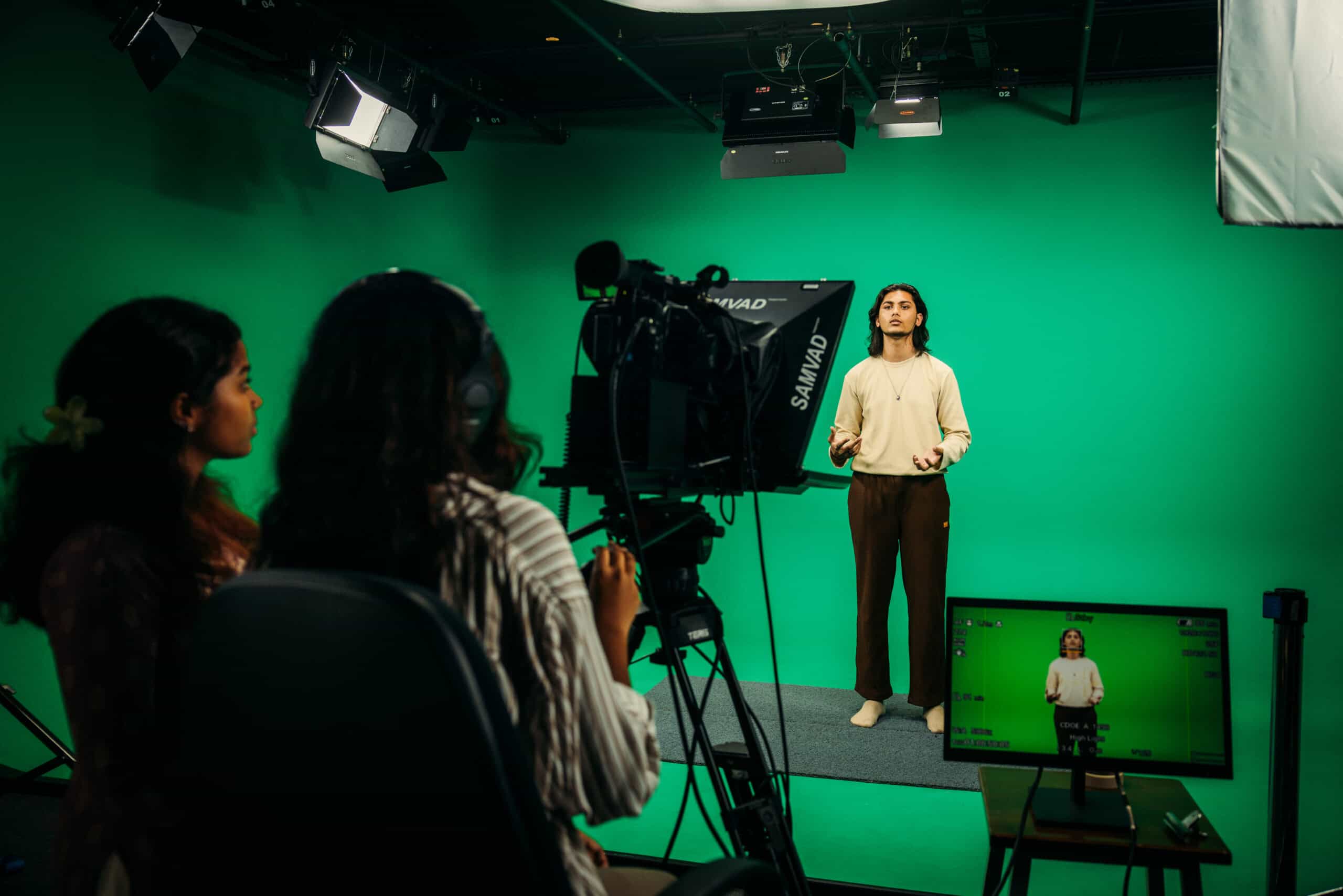
A production-focused space where students learn to create content across digital, audio visual, and multimedia formats. It encourages hands-on practice in ideation, scripting, shooting, editing, and storytelling for contemporary media platforms.
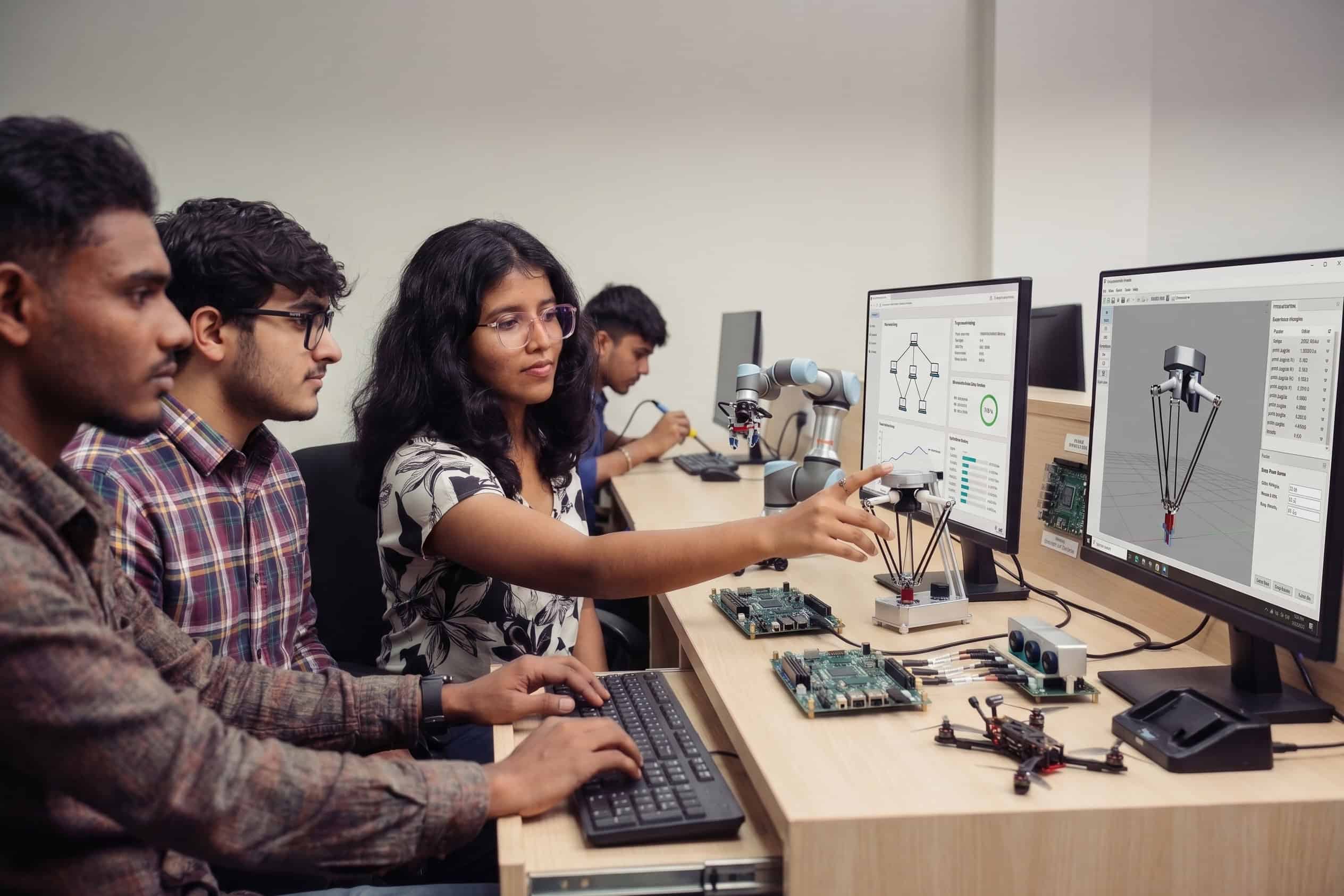
A specialised space for studying the connection between computing systems and the physical world. Students explore sensors, networks, automation, control, and intelligent systems that power smart infrastructure and connected technologies.
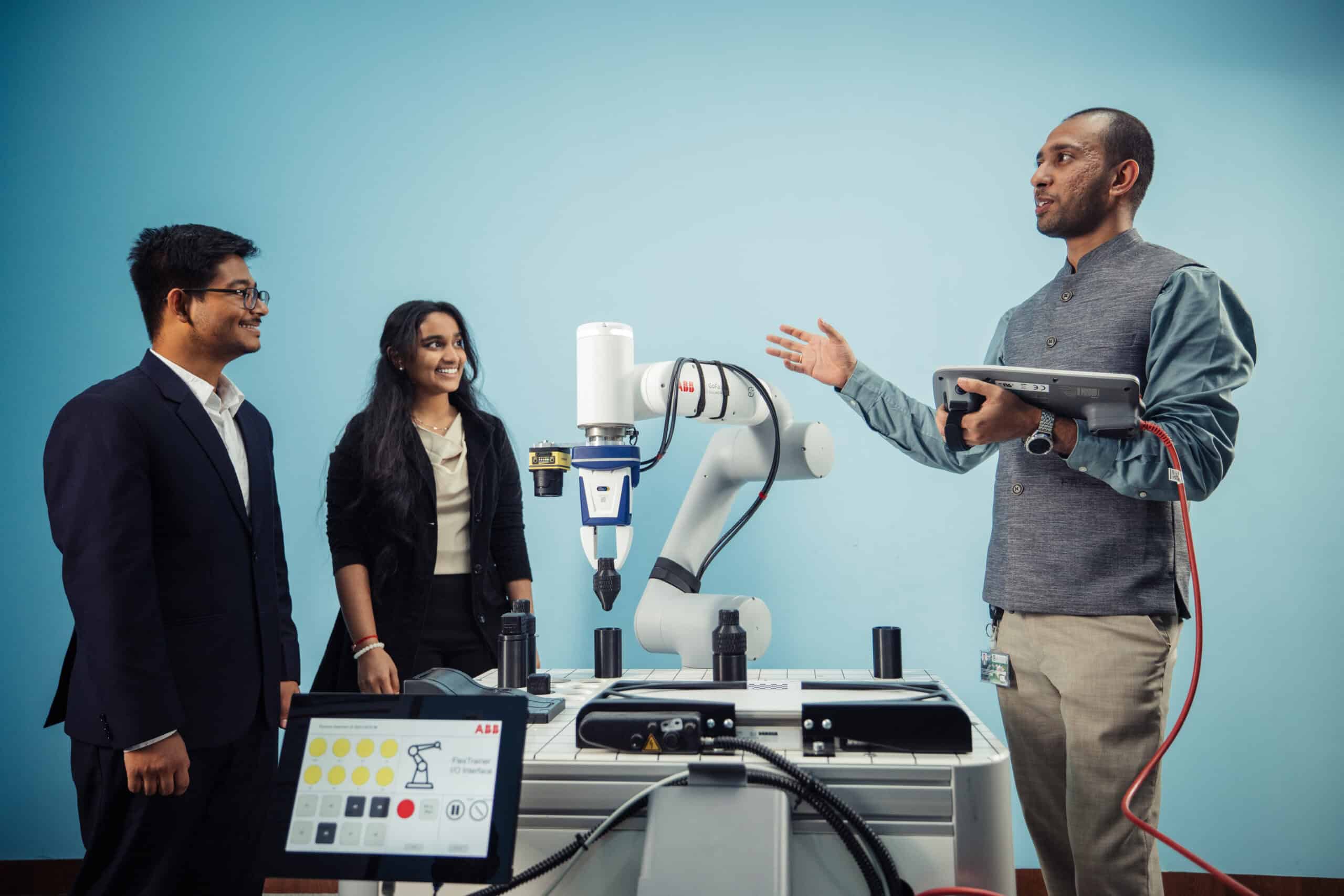
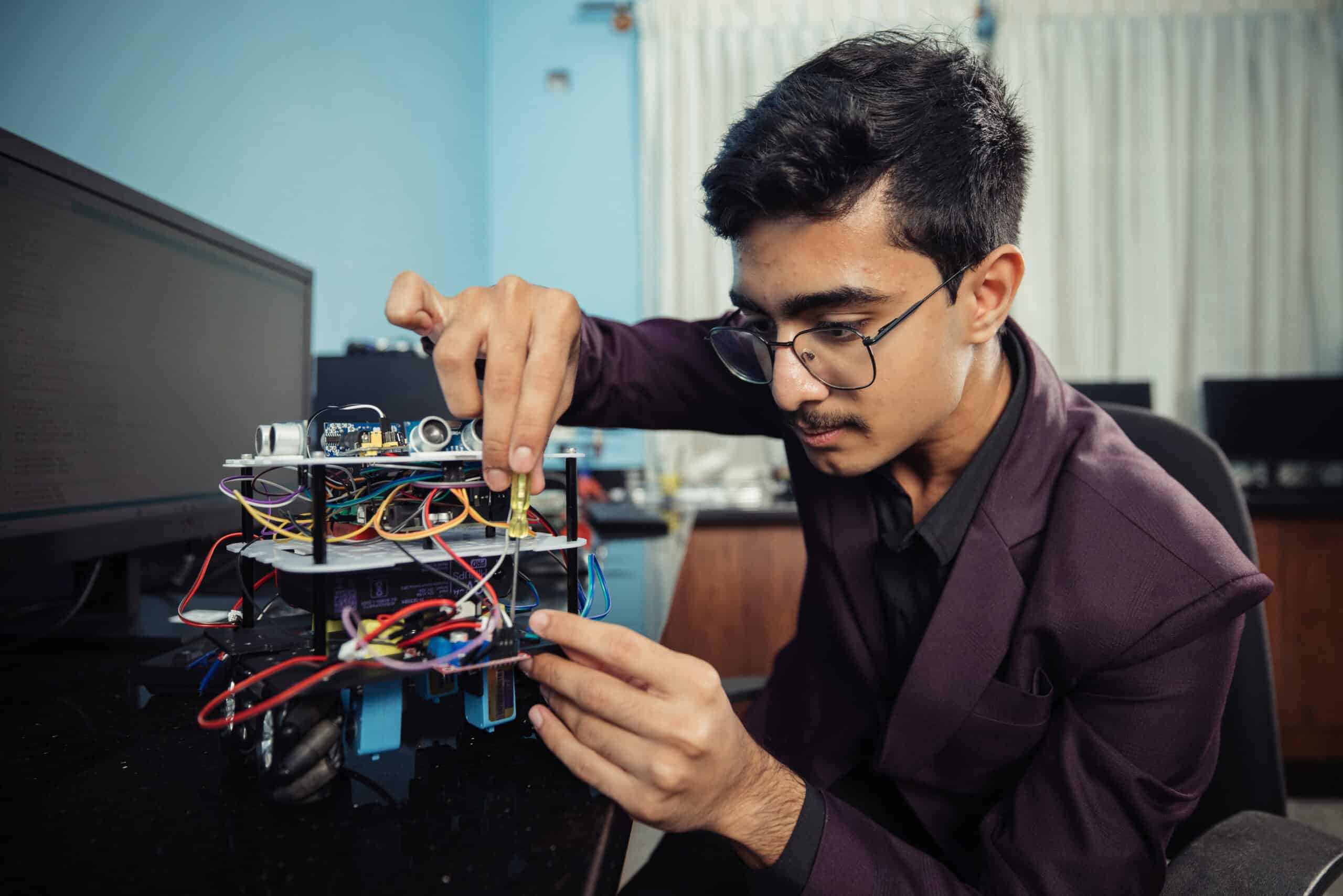
A hands-on space where students design, build, programme, and test robotic systems. It brings together mechanics, electronics, control systems, sensors, and artificial intelligence to explore autonomous and semi-autonomous technologies.
A technology-driven space where students work with data, intelligent systems, algorithms, automation, and predictive models. It helps them understand how machines learn, adapt, and support decision-making across industries and research domains.
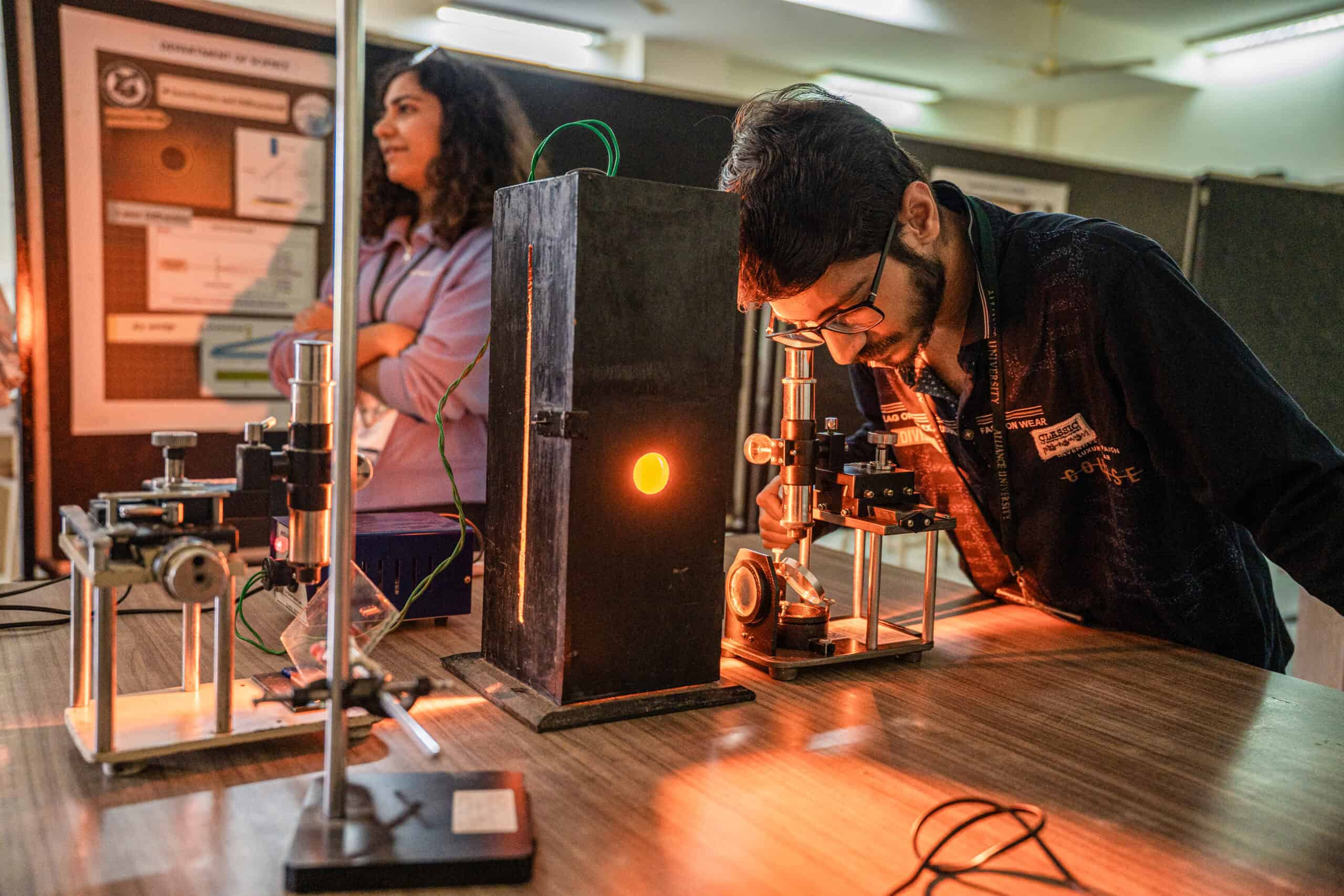
A practical space where students test and observe scientific principles through experiments in mechanics, optics, electricity, magnetism, heat, and waves. It helps connect abstract concepts with measurable physical phenomena.
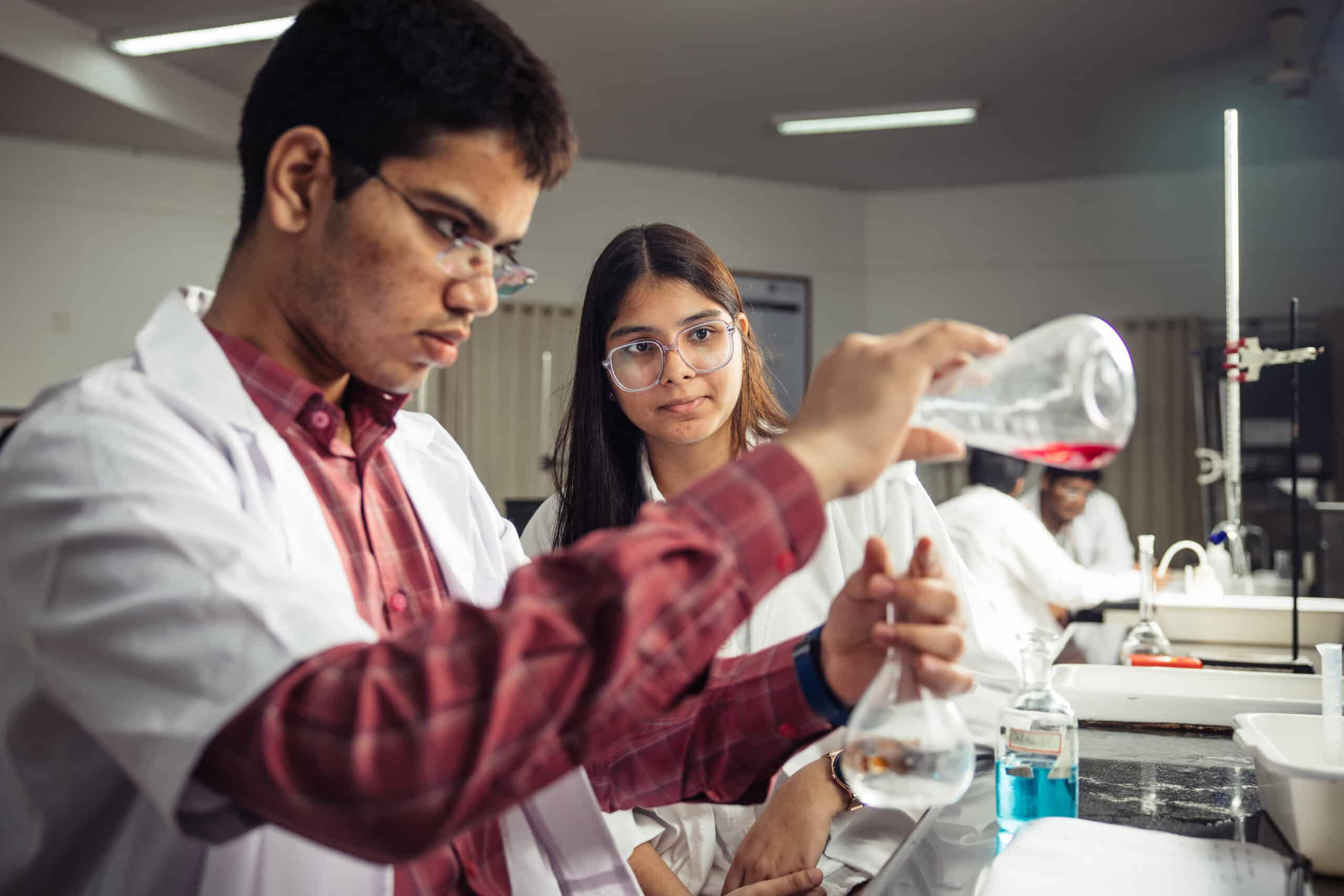
A laboratory environment where students explore chemical principles through observation, experimentation, analysis, and safe laboratory practice. It supports deeper understanding of reactions, materials, compounds, measurement, and scientific inquiry.
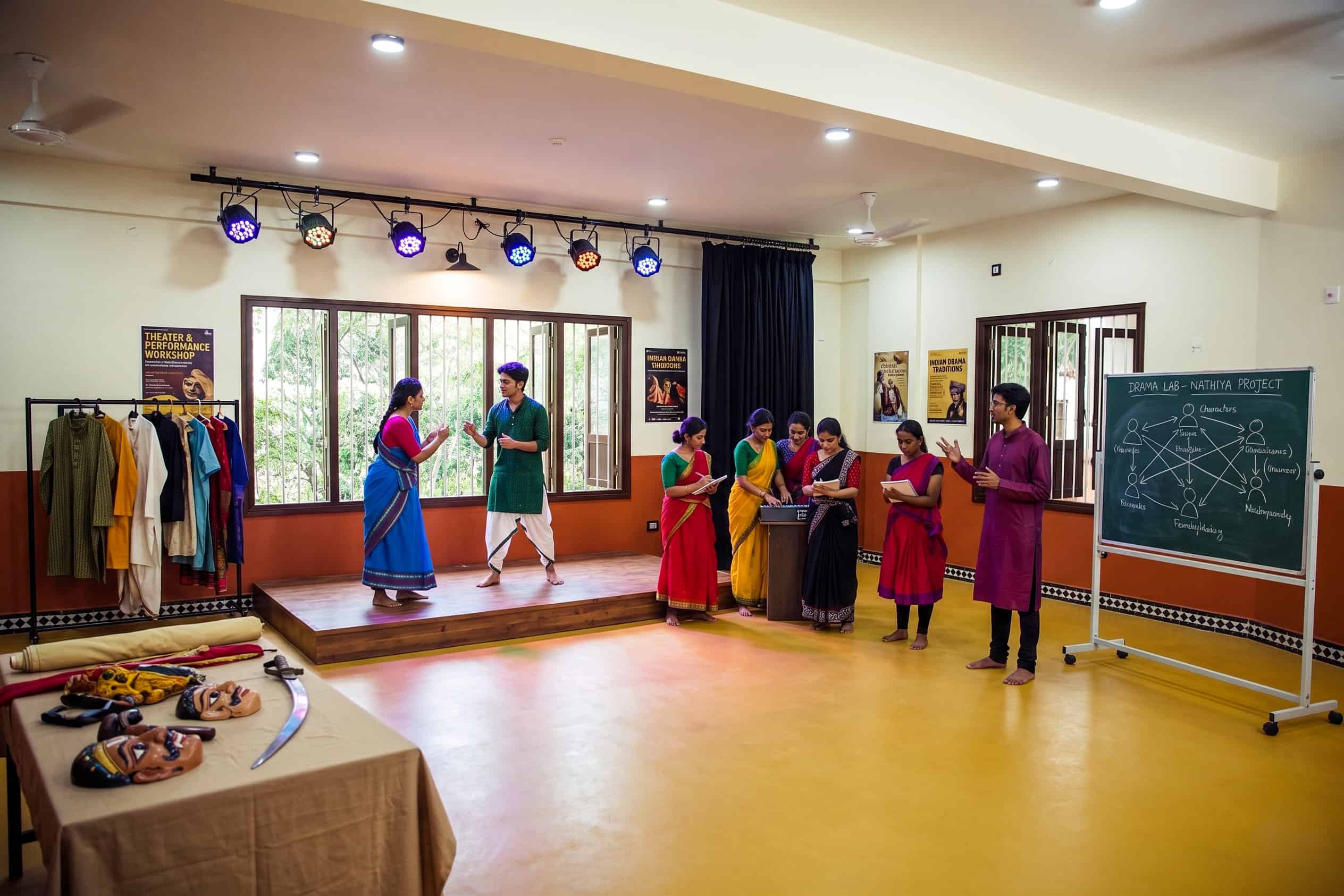
A performance space where students engage with acting, voice, movement, improvisation, stagecraft, and theatre-making. It builds confidence, collaboration, emotional intelligence, and the ability to communicate through character and performance.
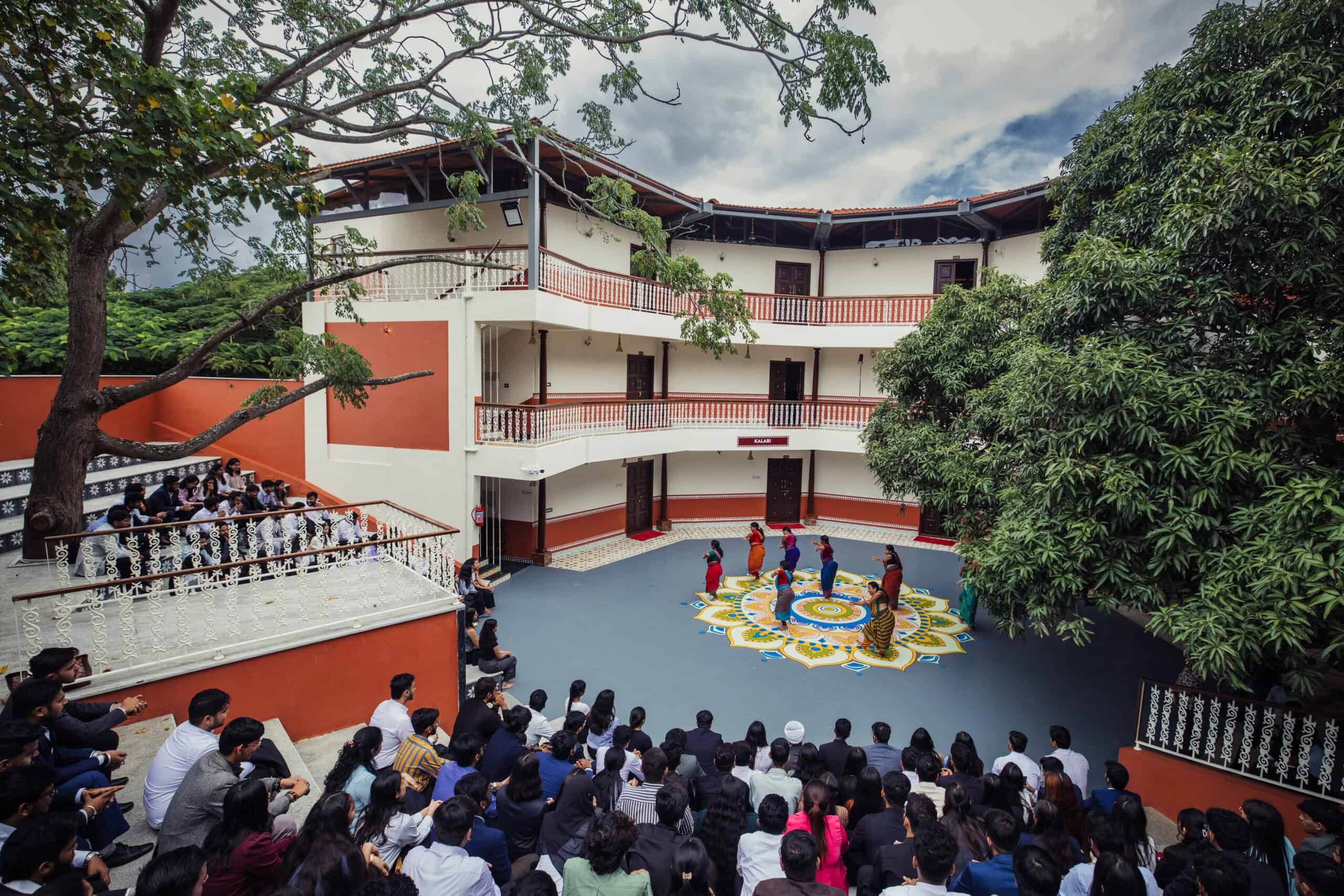
A dedicated space for training in Kalaripayattu, strengthening movement, balance, flexibility, discipline, and body awareness. It connects physical practice with tradition, performance, focus, and embodied learning.
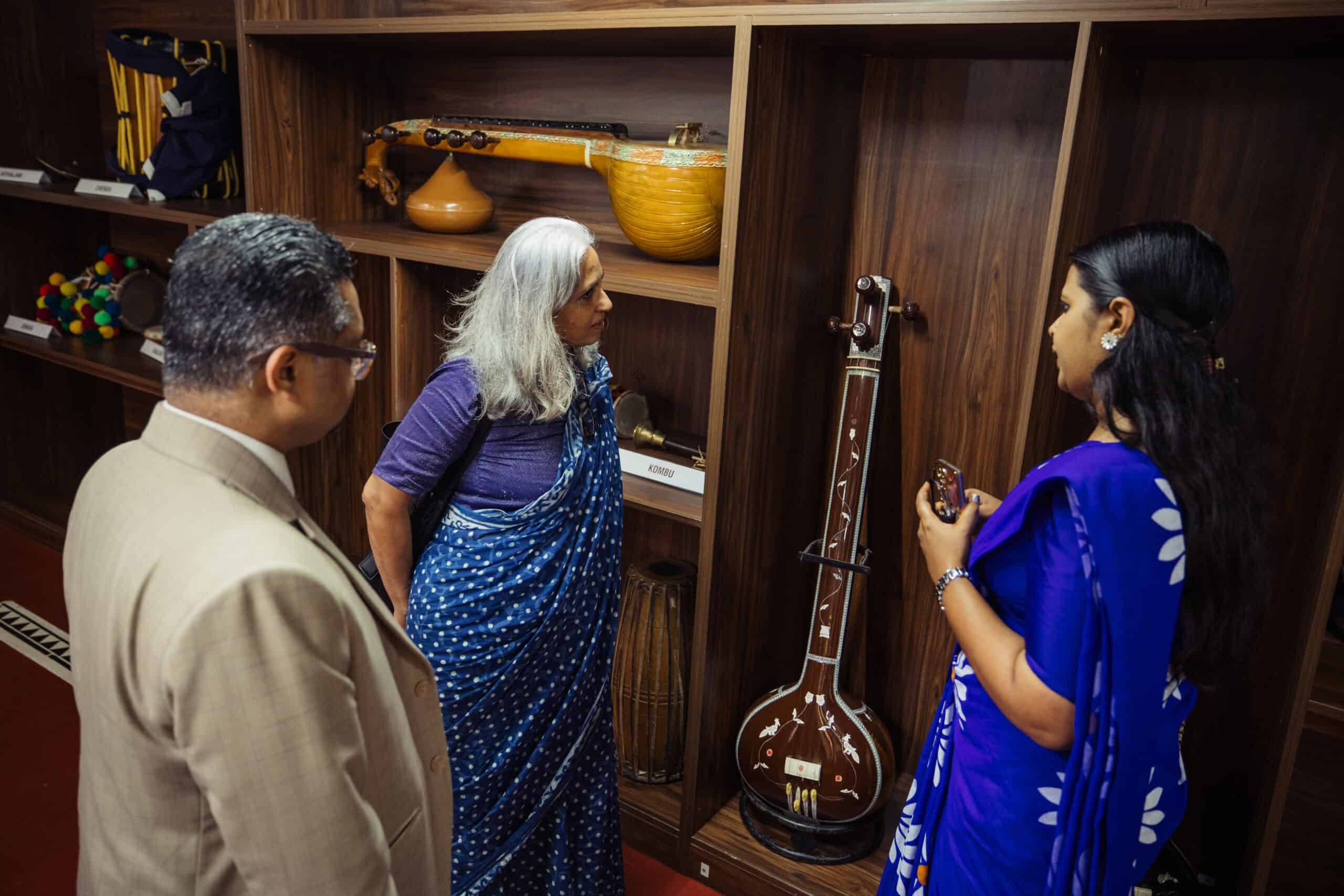
A creative and technical space for vocal practice, instrumental training, composition, recording, and sound exploration. It supports students in developing musical sensitivity, performance ability, listening skills, and collaborative creative practice.
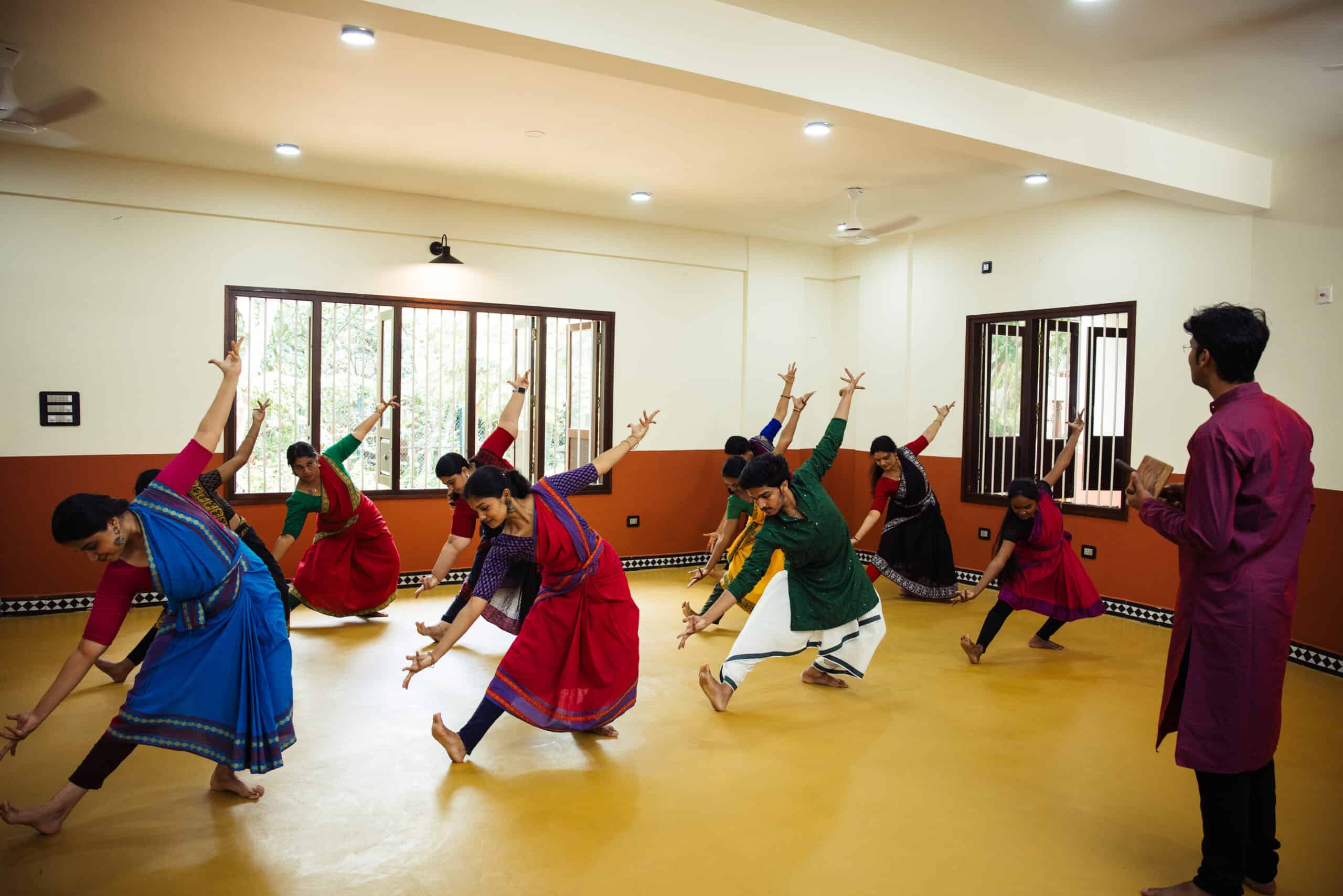
A movement-based studio designed for training in rhythm, posture, expression, choreography, and performance. It allows students to understand the body as an instrument of storytelling, discipline, creativity, and cultural expression.
A studio and material exploration space that supports casting, sculptural work, form development, and design experimentation. It enables students to work with process, scale, texture, and the transformation of raw material into creative outcomes.
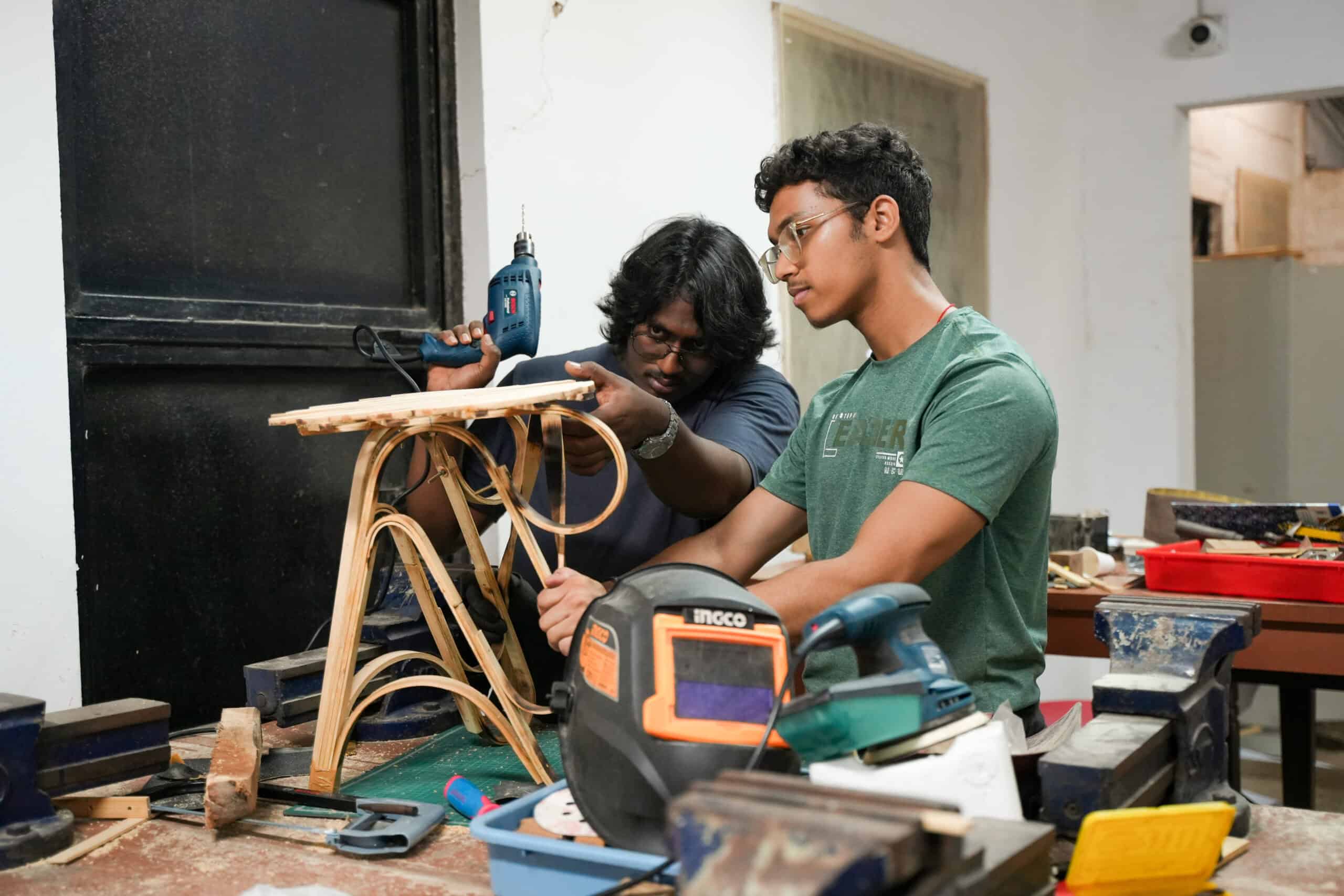
A fabrication space where students work with tools, wood, models, structures, and material processes. It helps them understand making, precision, ergonomics, joinery, and the relationship between design ideas and physical construction.
A specialised textile space where students explore fabric treatment, surface design, dyeing, printing, and material behaviour. It enables hands-on understanding of colour, texture, process, and textile-led creative development.
A flexible experimentation space that supports prototyping, material exploration, model making, and interdisciplinary design practice. It gives students the freedom to test ideas, work hands-on, and move from concept to tangible outcome.
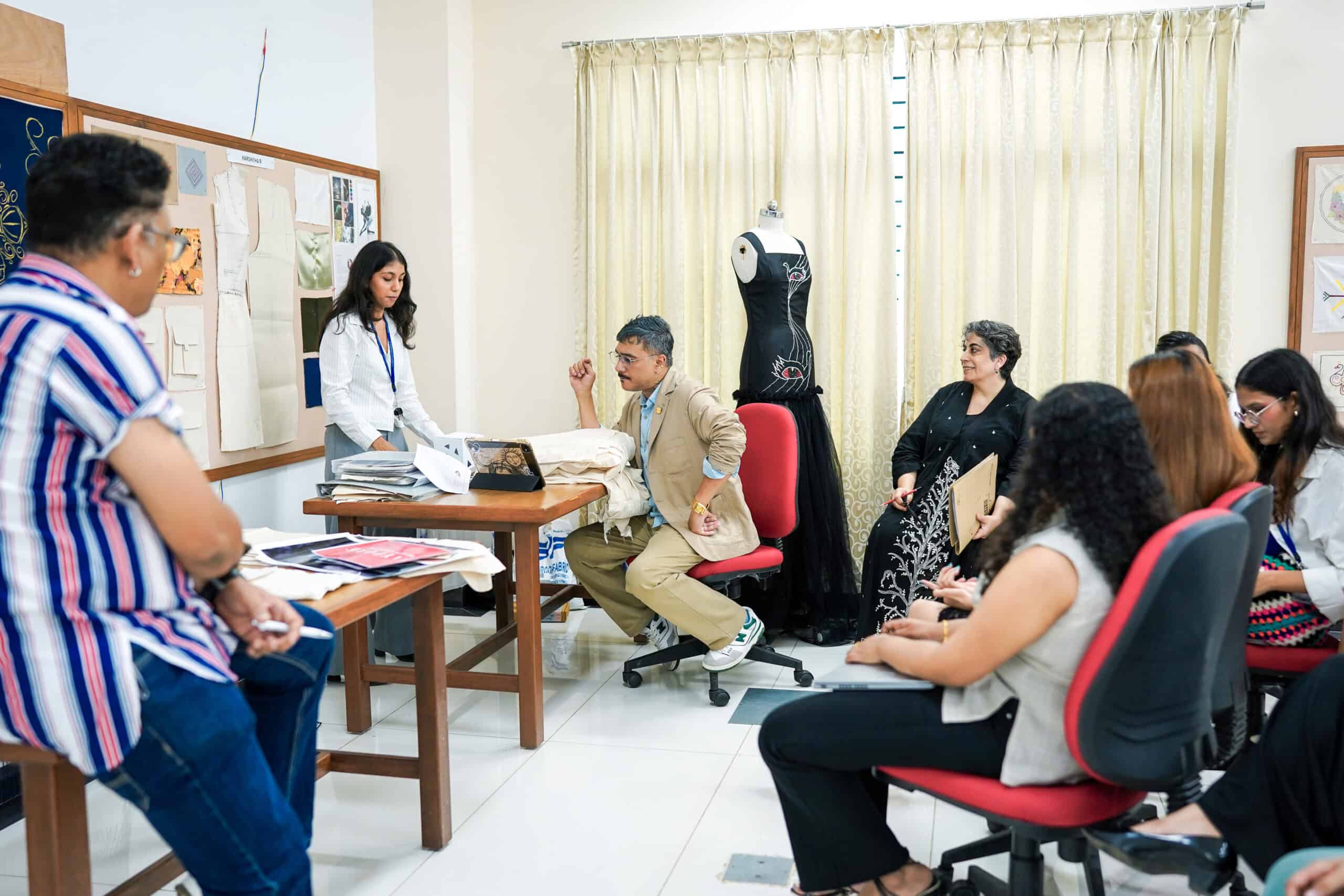
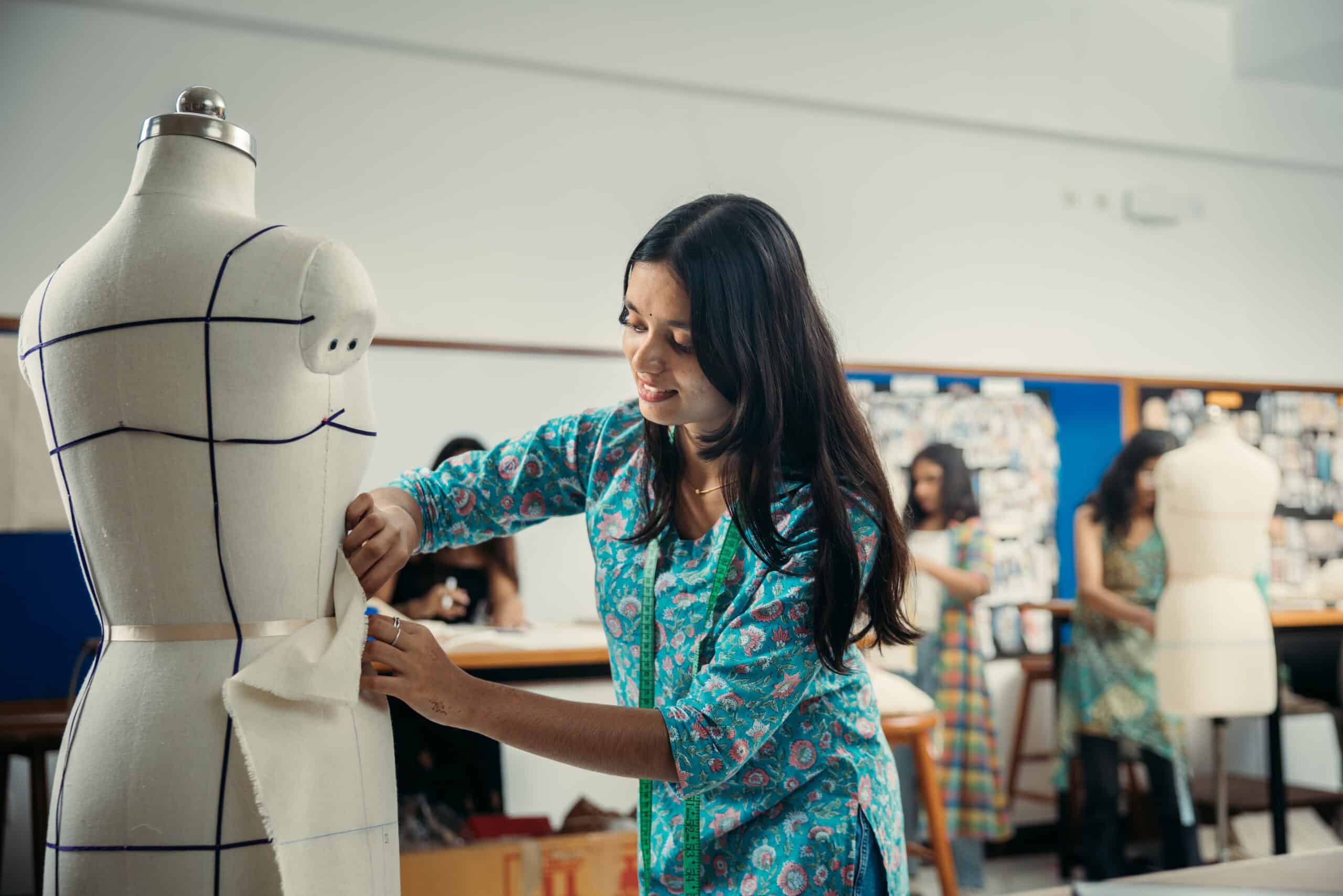
A studio-based space where students engage with fashion illustration, pattern-making, garment construction, styling, textiles, and design research. It encourages a balance of creativity, craft, cultural understanding, and functional design thinking.
A creative production space where students explore character, movement, storyboarding, visual development, and animation techniques. It helps them understand how stories are built frame by frame through design, timing, emotion, and motion.
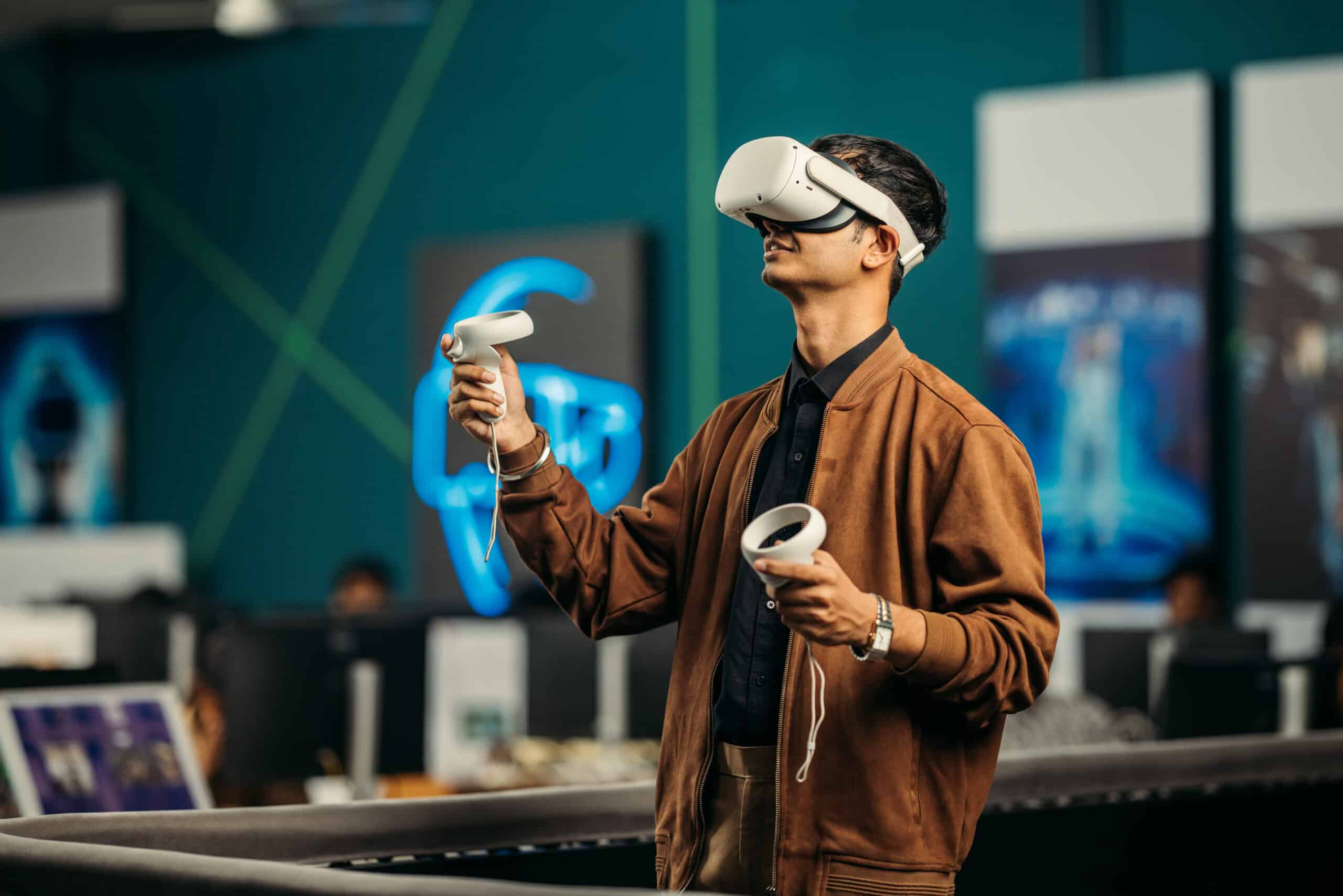
An immersive technology space where students create and experience simulated environments using AR, VR, and interactive tools. It supports learning in spatial design, simulation, visualisation, training, and human centred digital experiences.
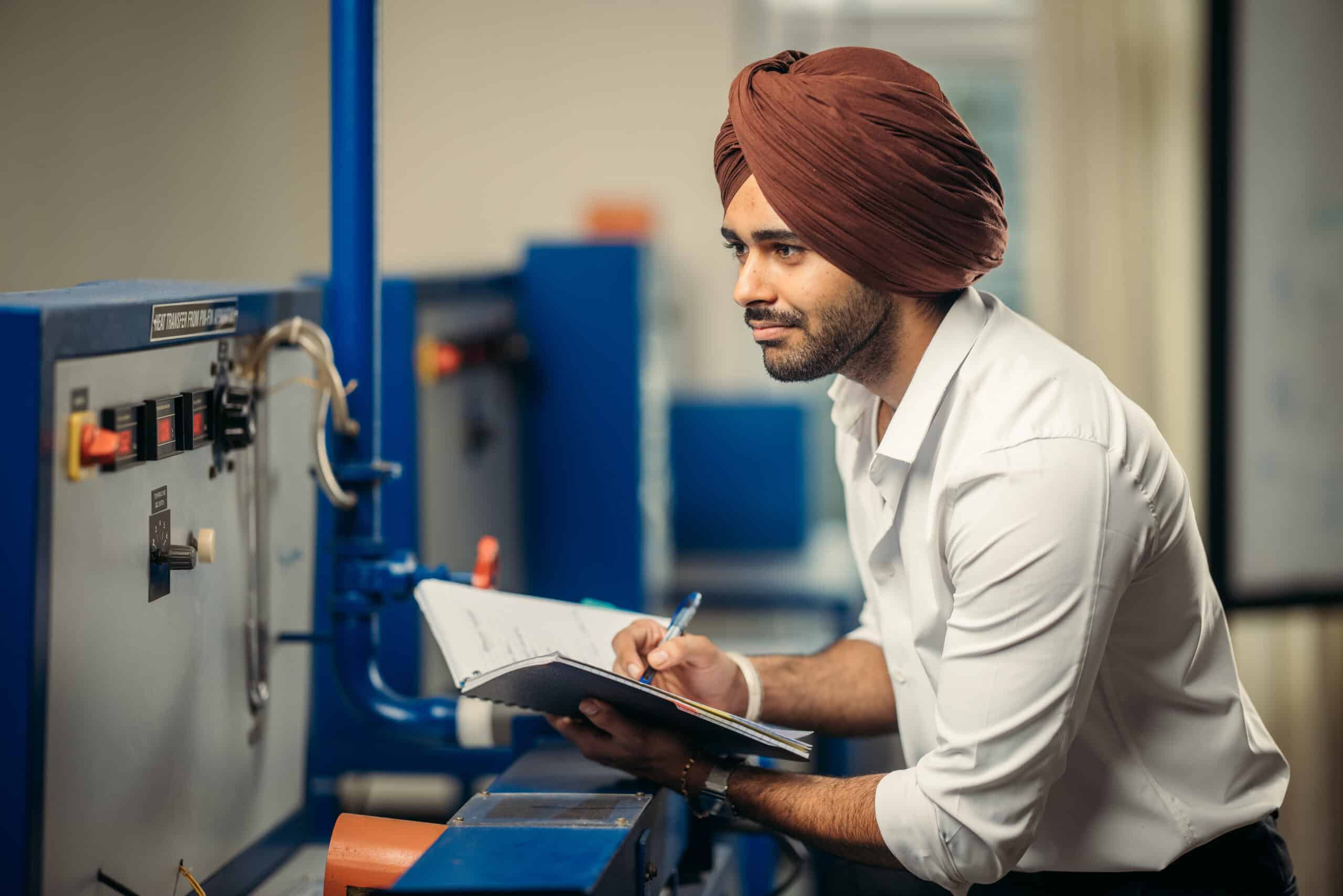
A thermal engineering space where students study conduction, convection, radiation, diffusion, and heat exchange. It helps them understand how energy and matter move across systems and influence engineering performance.
A laboratory where students work with sensors, transducers, meters, control instruments, and measurement systems. It supports practical understanding of monitoring, control, automation, and industrial instrumentation.
A space for studying signals, modulation, transmission, receivers, networks, and wireless communication principles. It helps students understand how information travels across modern communication systems.
A specialised computing space that introduces students to processor architecture, embedded systems, and India’s growing indigenous chip ecosystem. It encourages awareness of self reliant technology development and hardware level innovation.
A practical environment where students learn network security, ethical hacking, vulnerability analysis, digital forensics, and cyber defence. It prepares them to understand threats, protect systems, and think critically about digital safety.
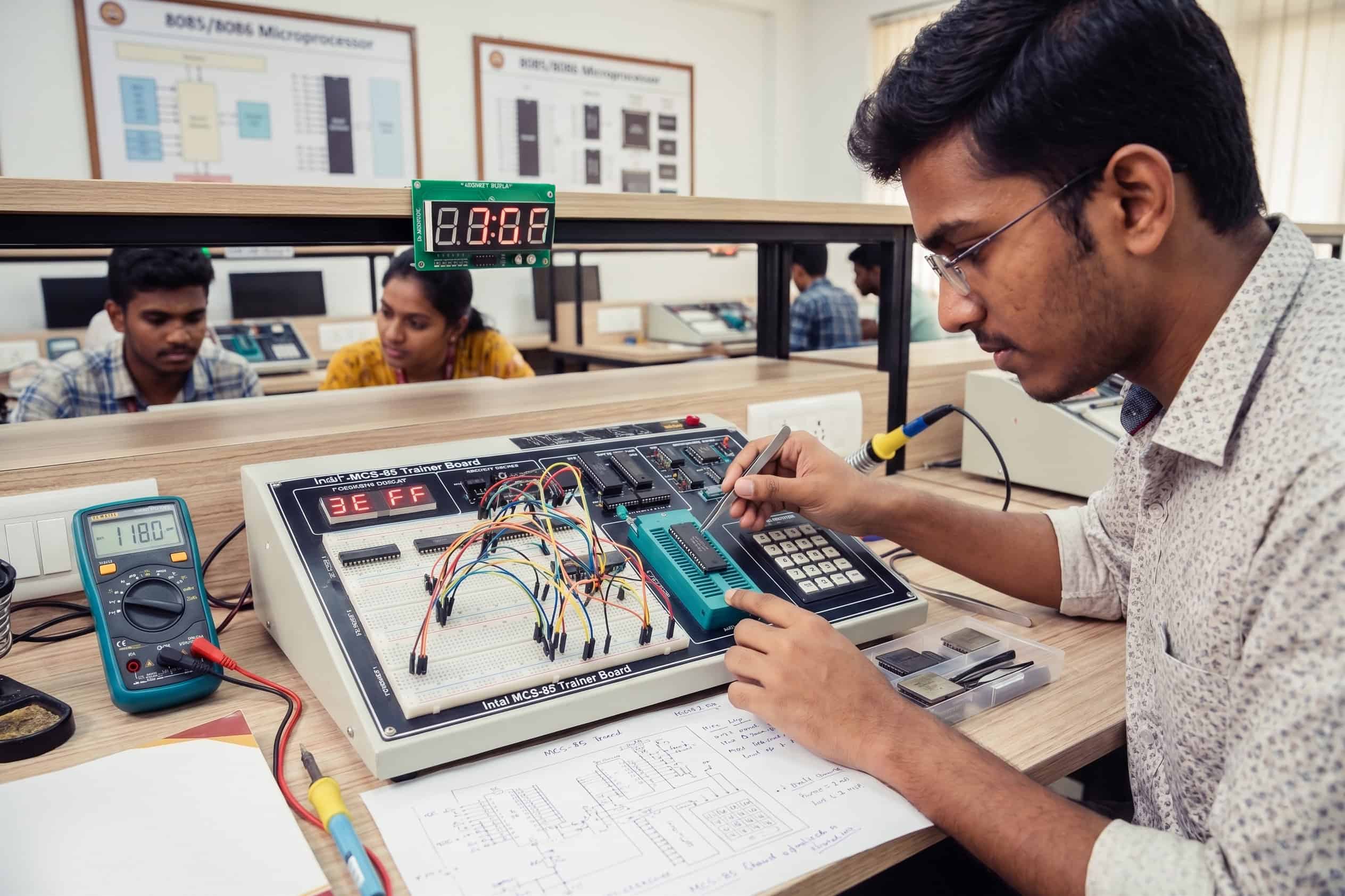
A computing and embedded systems space where students work with microprocessors, programming, interfacing, and control applications. It supports understanding of how hardware and software interact in intelligent electronic systems.
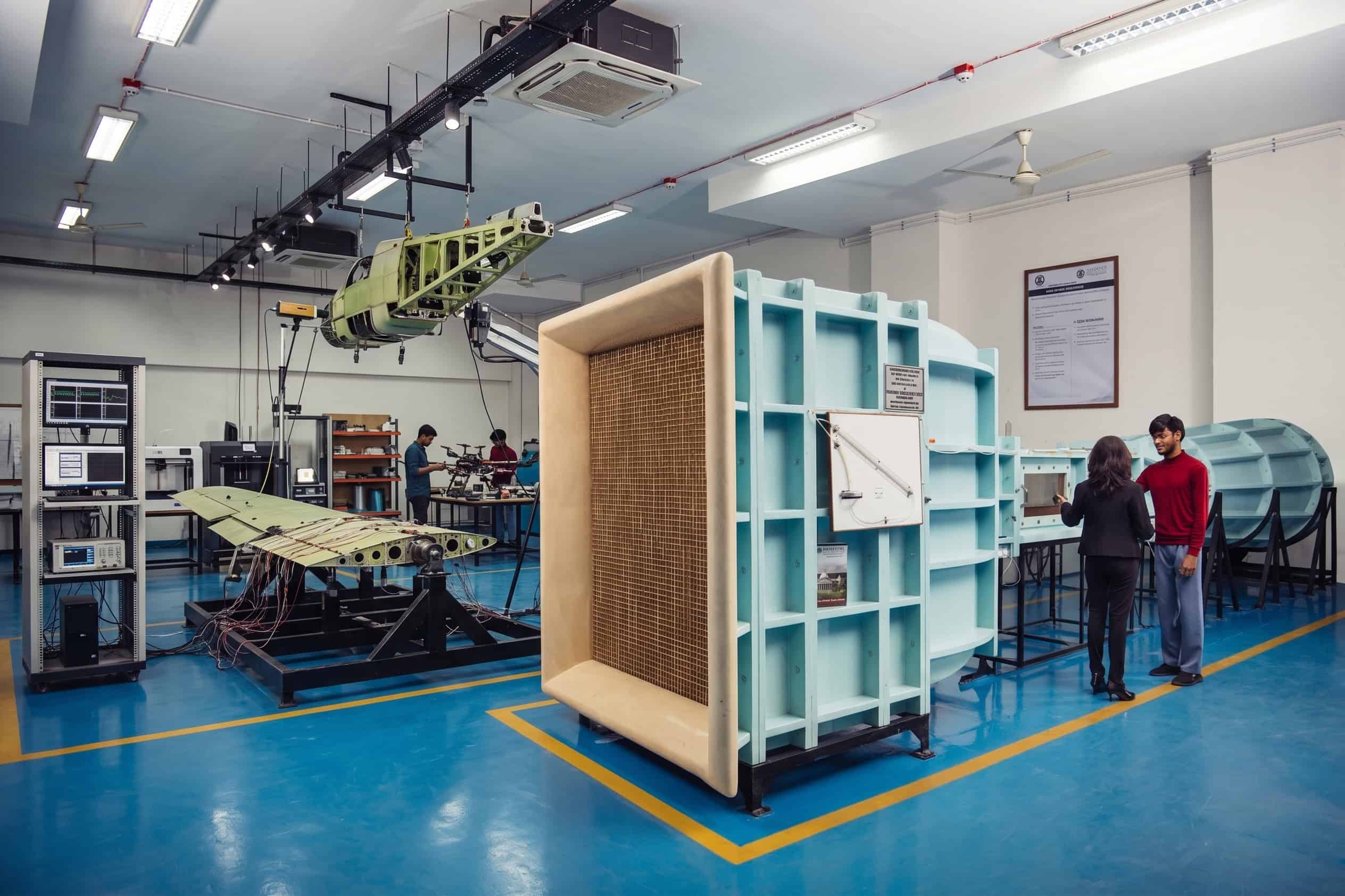
A specialised space for studying structural behaviour, materials, loads, stress, and strength in aerospace systems. It helps students understand how aircraft and related structures are designed for safety, efficiency, and performance.
A foundational laboratory where students learn circuits, components, instruments, wiring, measurement, and basic electrical and electronic principles. It builds the practical base needed for advanced engineering learning.
A precision-focused space where students learn measurement, calibration, inspection, tolerances, and quality control. It helps them understand the importance of accuracy and reliability in engineering and manufacturing.
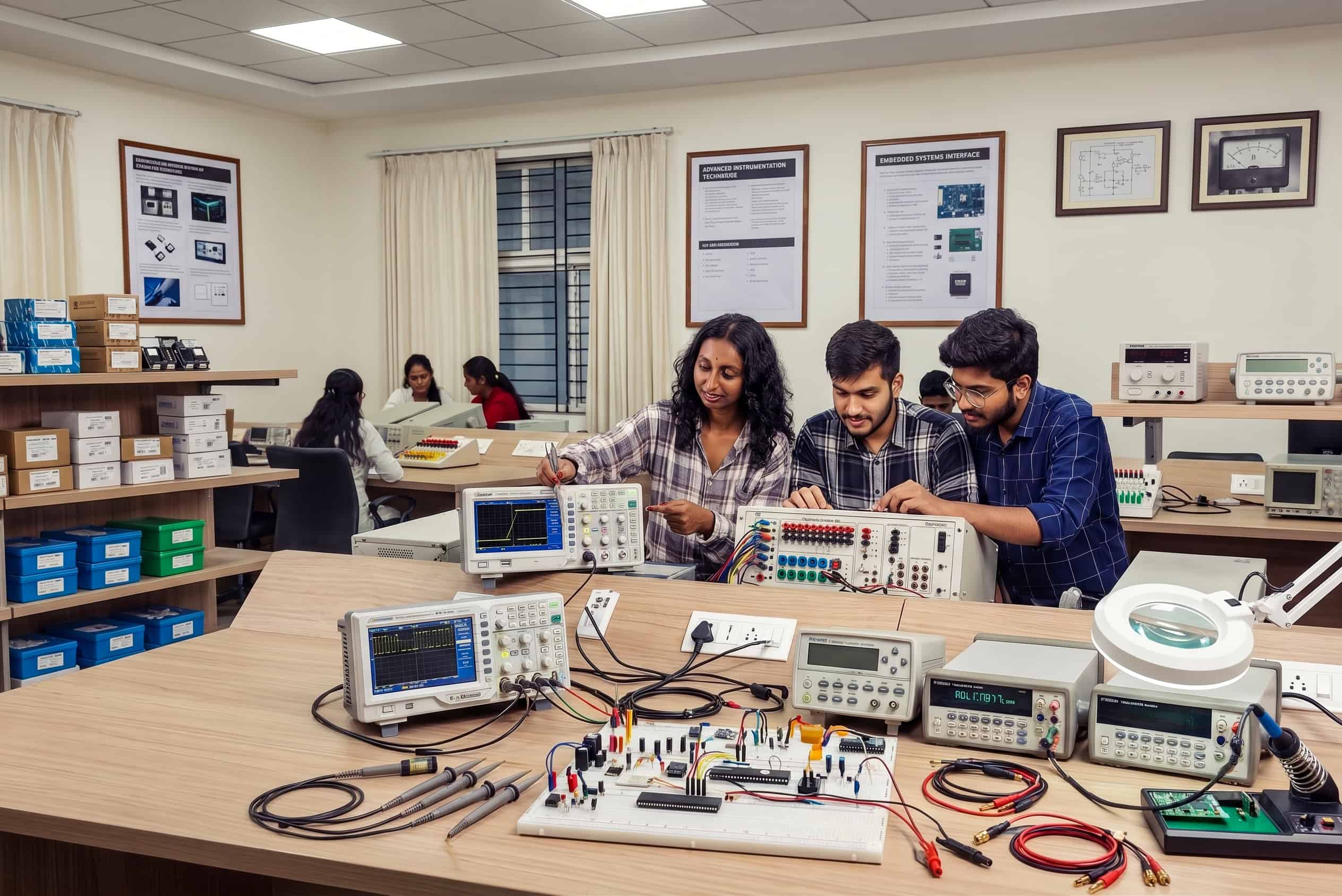
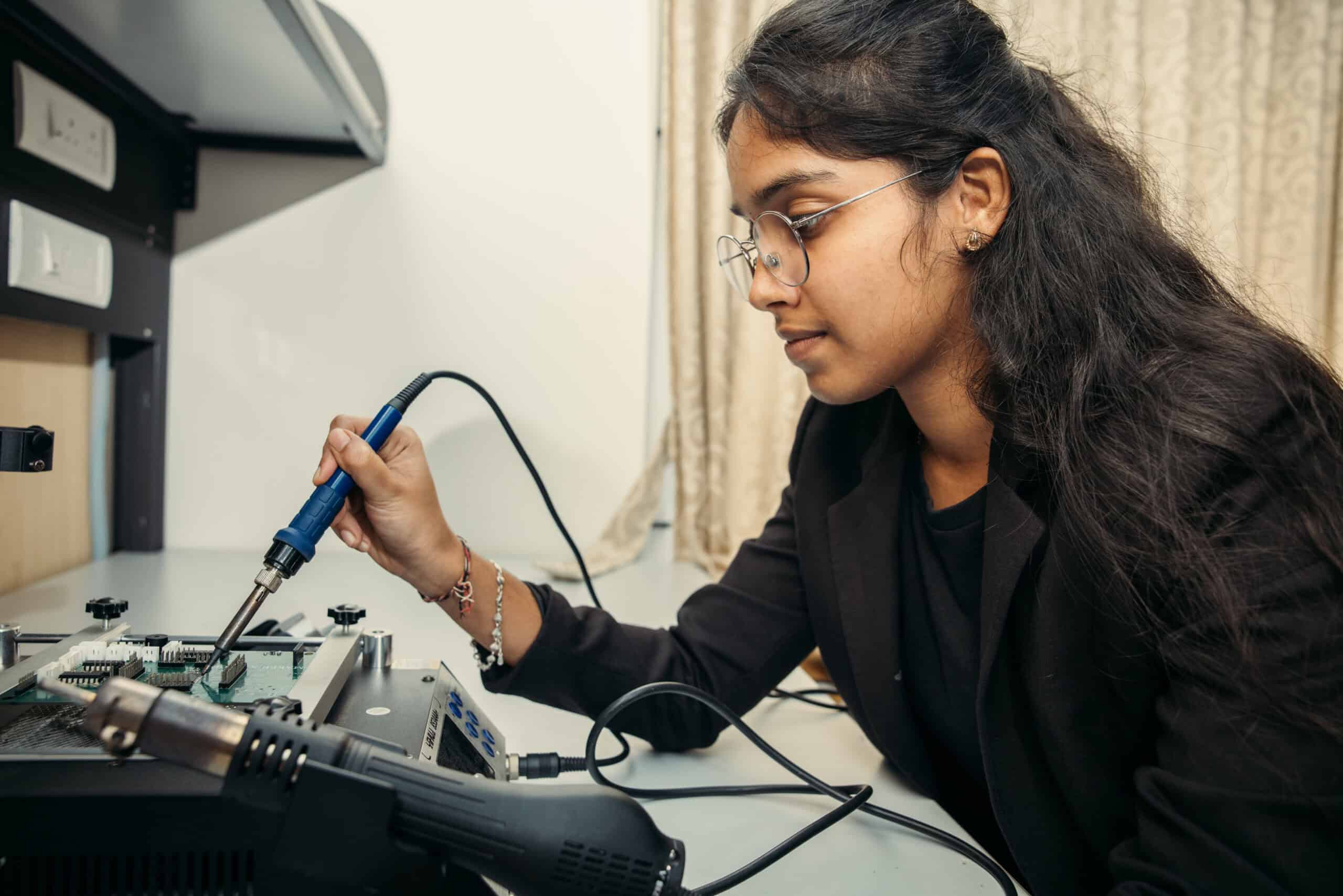
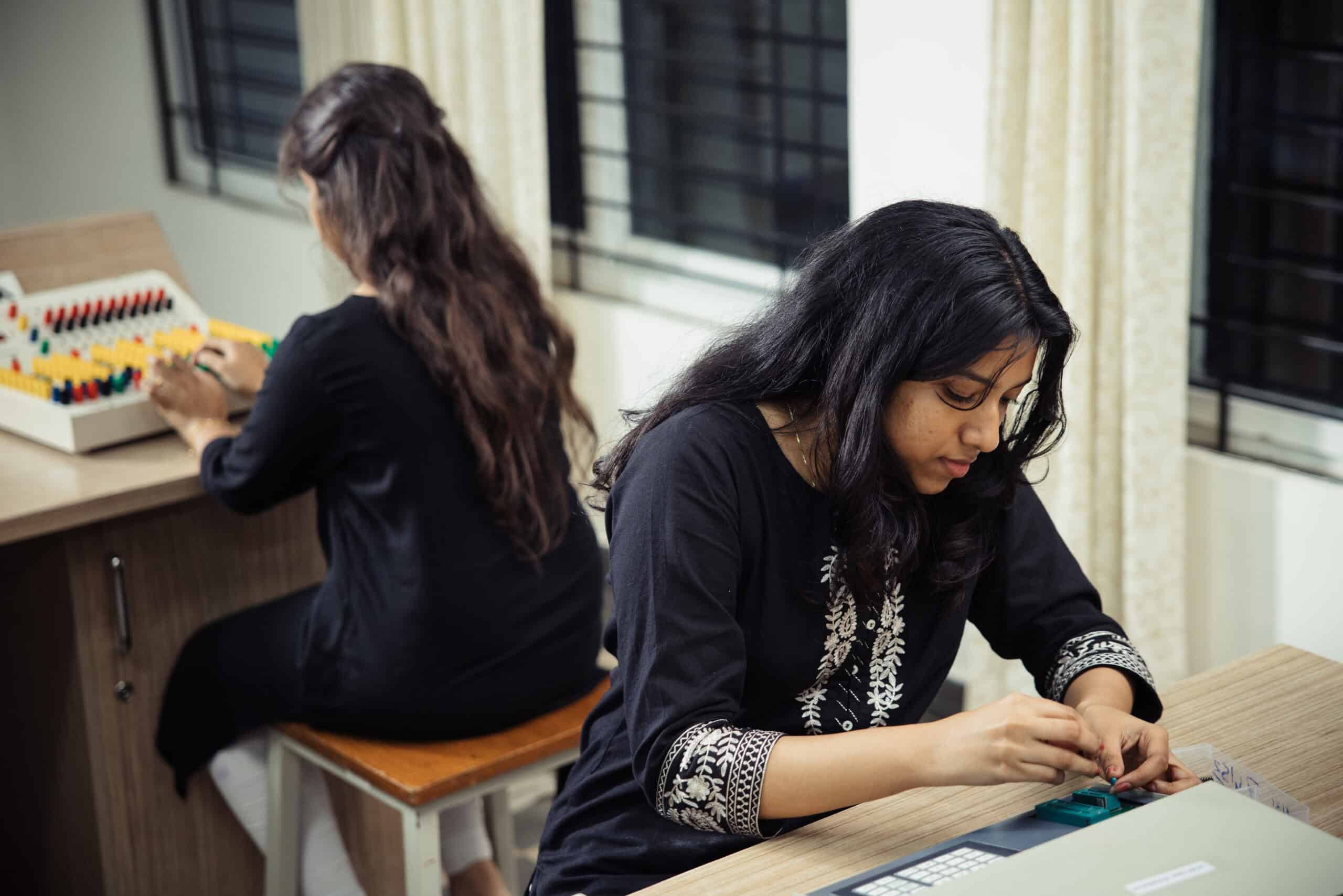
A laboratory for learning electronic circuits, components, devices, testing, measurement, and system design. It supports hands-on understanding of how electronic systems are built, analysed, and applied.
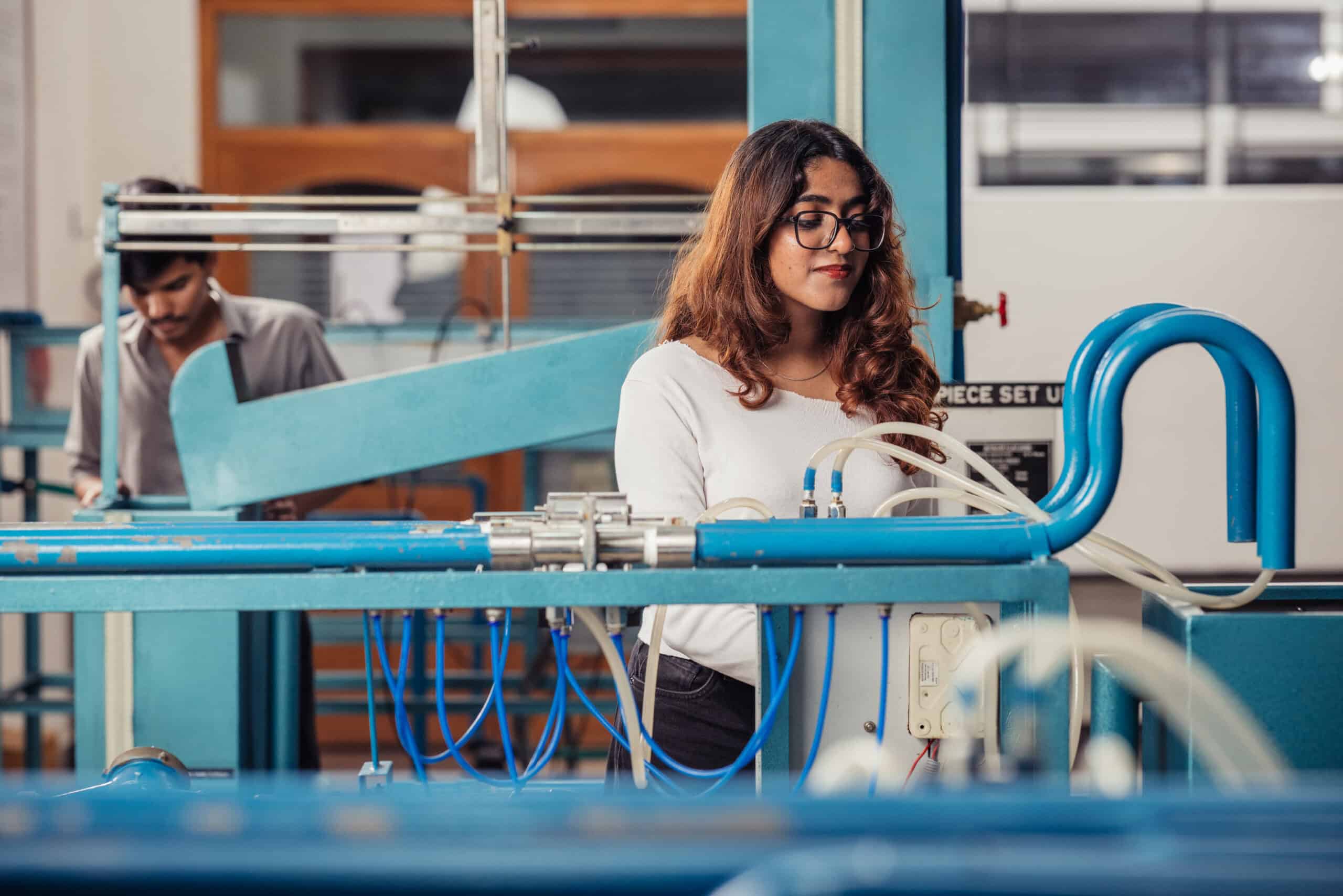
A practical space where students study fluid flow, pressure, viscosity, pumps, turbines, and hydraulic behaviour. It connects theory with real observations of how liquids and gases move through systems.
A space for working with converters, inverters, drives, controllers, and power management systems. It helps students understand how electrical energy is converted, controlled, and applied in modern industrial and technological systems.
A laboratory space for studying airflow, heat, energy transfer, pressure, and thermal systems. It allows students to observe how physical forces and energy principles shape engineering design and performance.
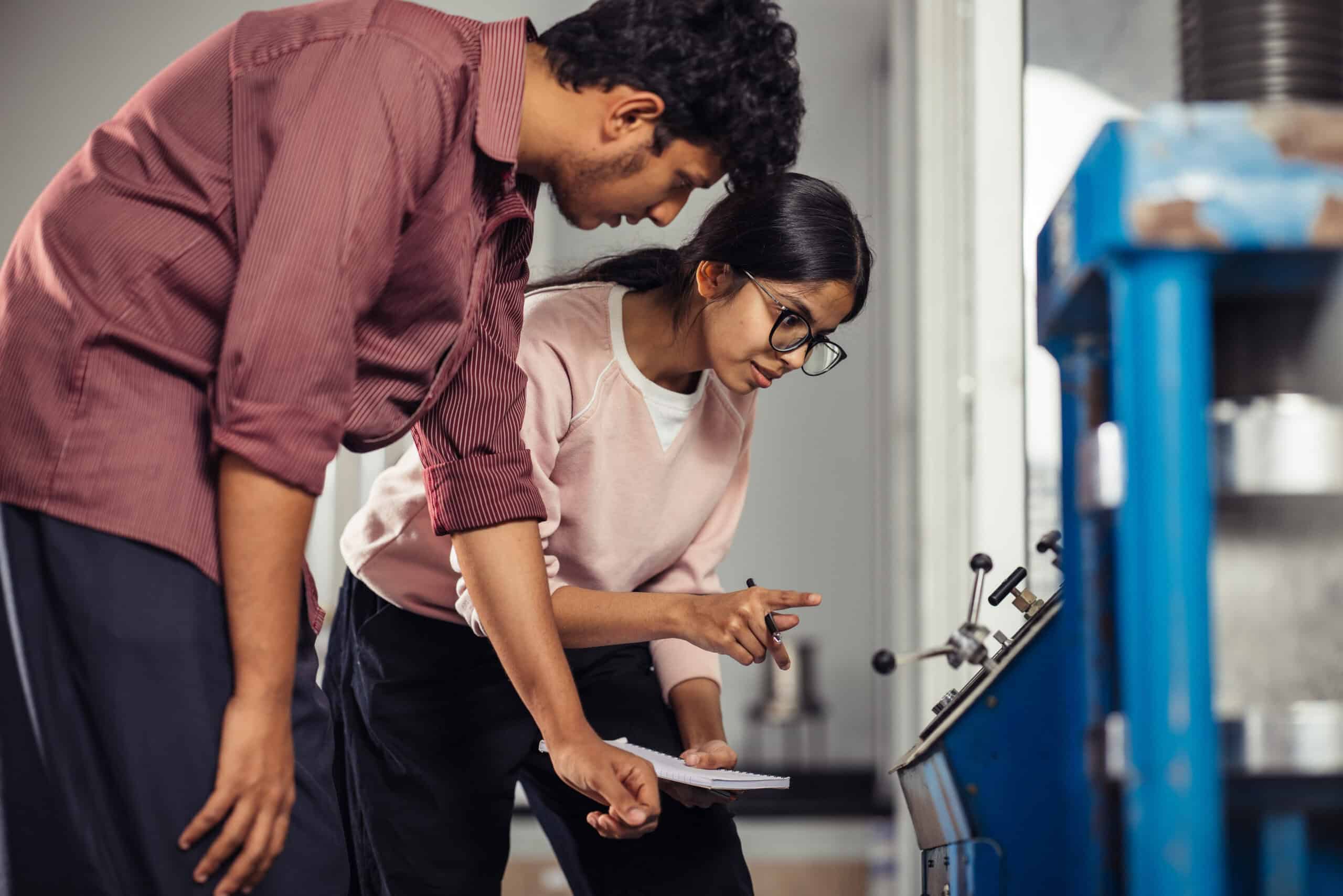
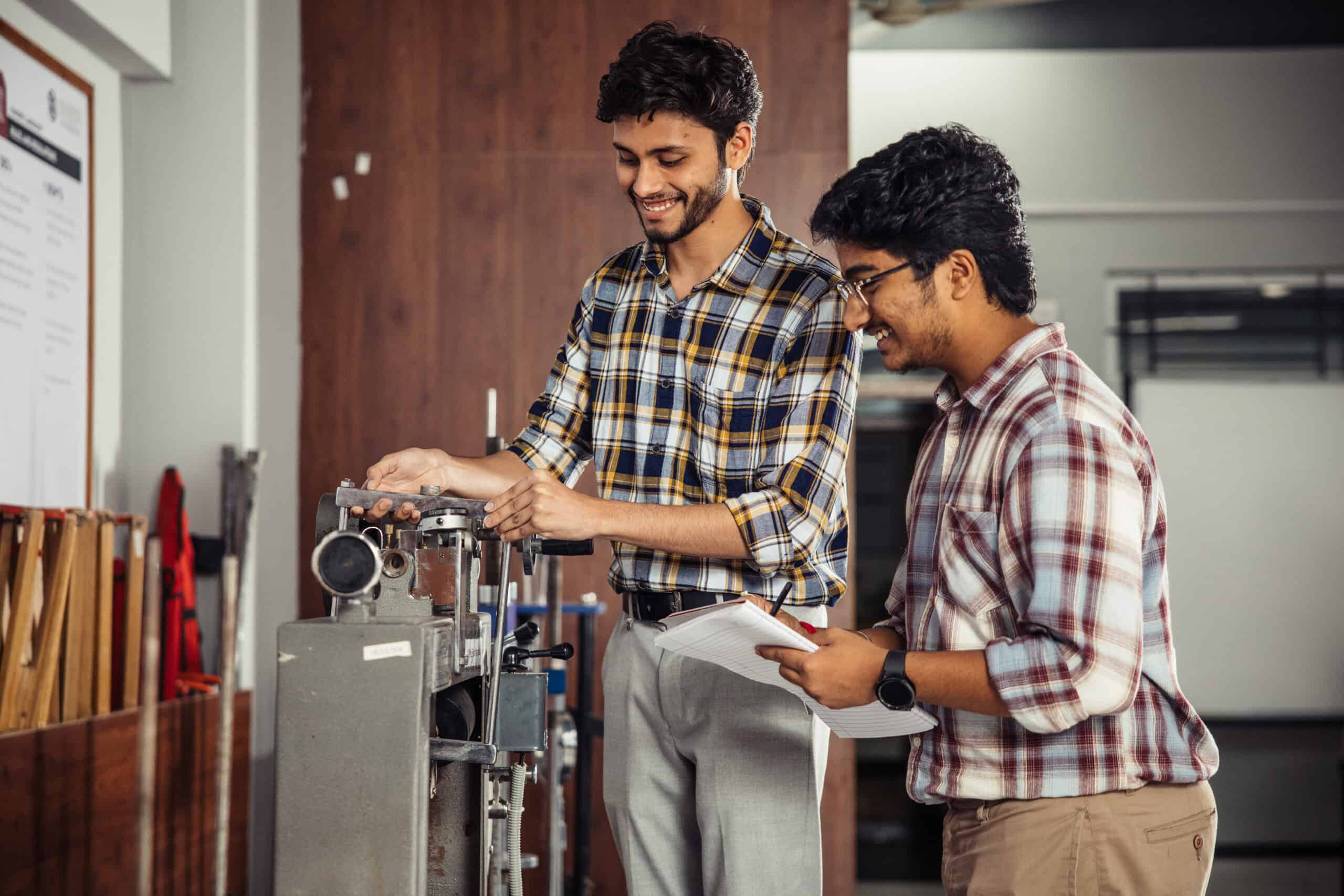
A civil engineering space where students test soil, concrete, aggregates, and construction materials. It helps them understand structural behaviour, foundation principles, material strength, and the science behind safe built environments.
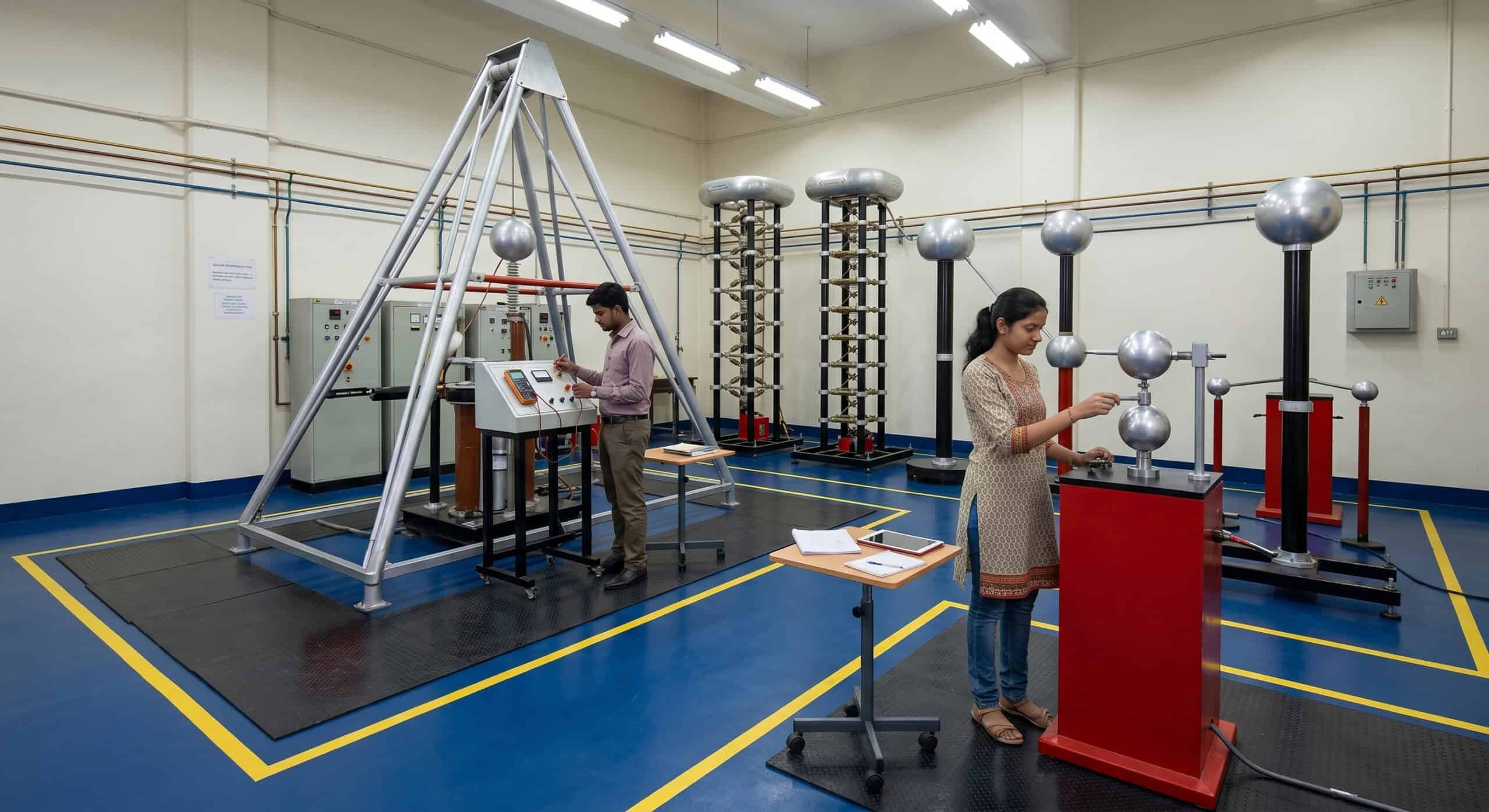
A controlled laboratory environment for studying high-voltage systems, insulation behaviour, electrical stress, safety, and testing methods. It supports practical understanding of power transmission, protection, and large scale electrical infrastructure.
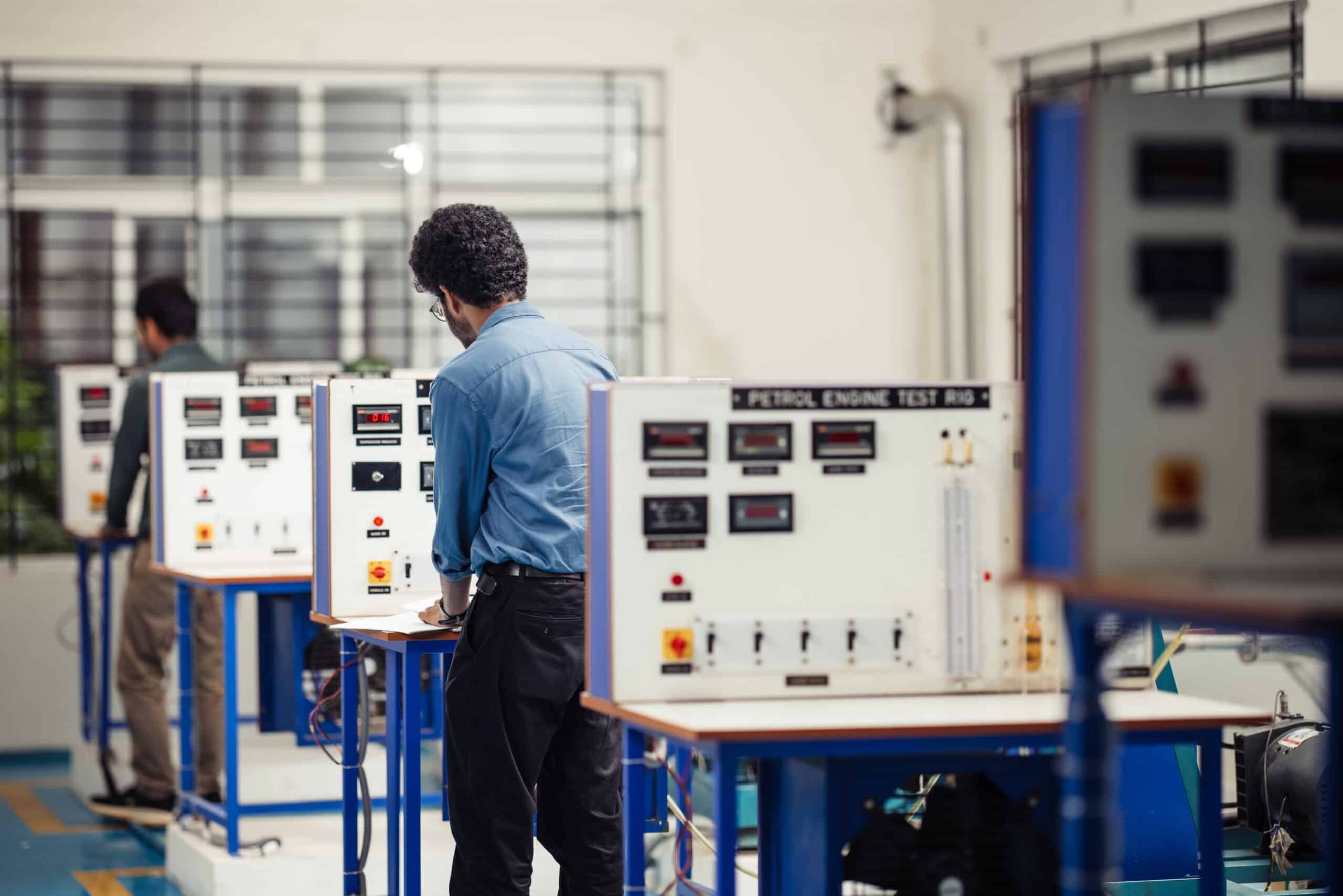
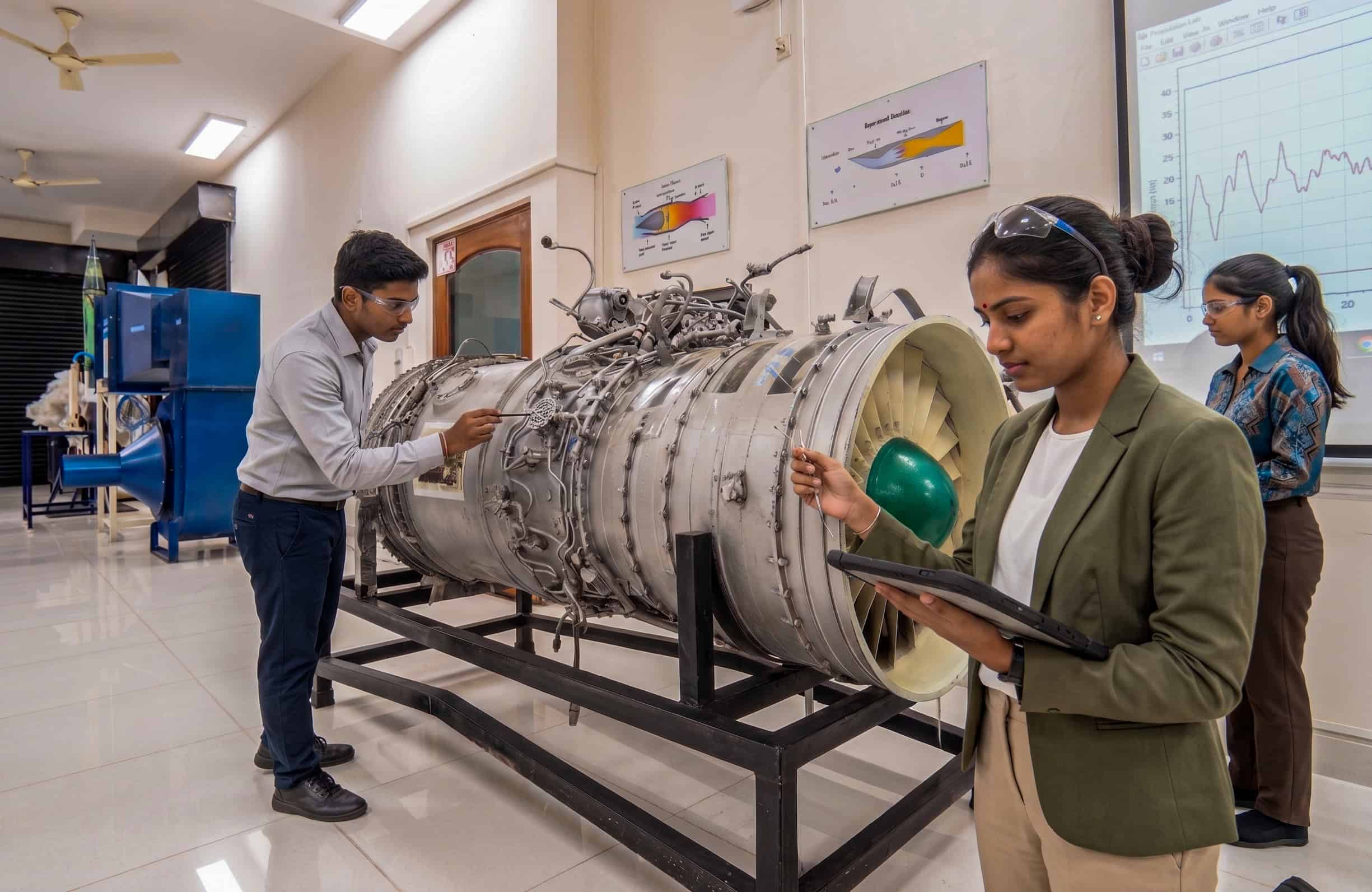
A specialised space for studying propulsion principles, engine performance, thrust generation, and aerospace power systems. It helps students connect theoretical concepts with the mechanics of movement, efficiency, and flight.
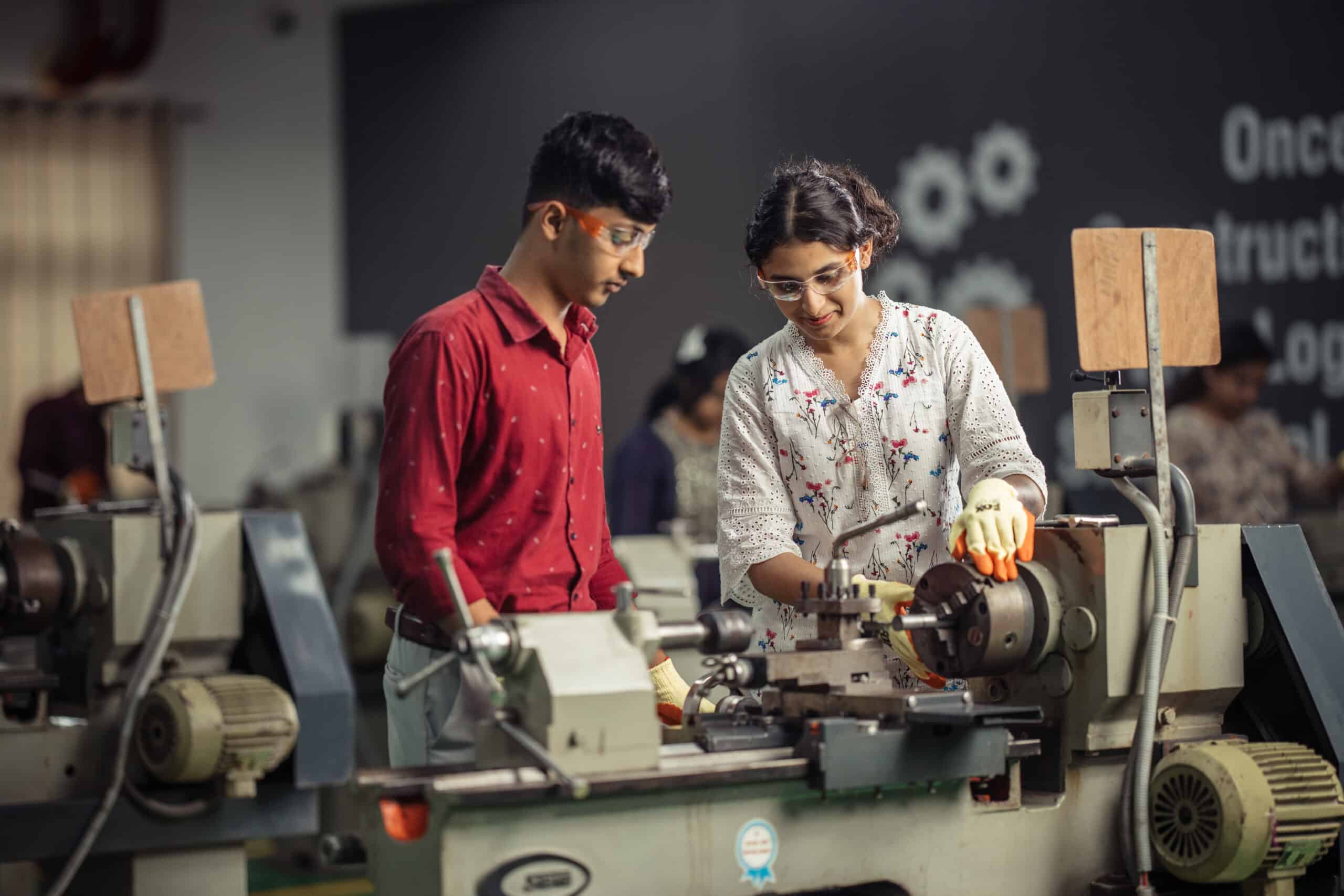
A manufacturing and fabrication space where students learn machining, cutting, shaping, drilling, turning, and tool handling. It develops practical understanding of production processes, workshop safety, precision, and material transformation.
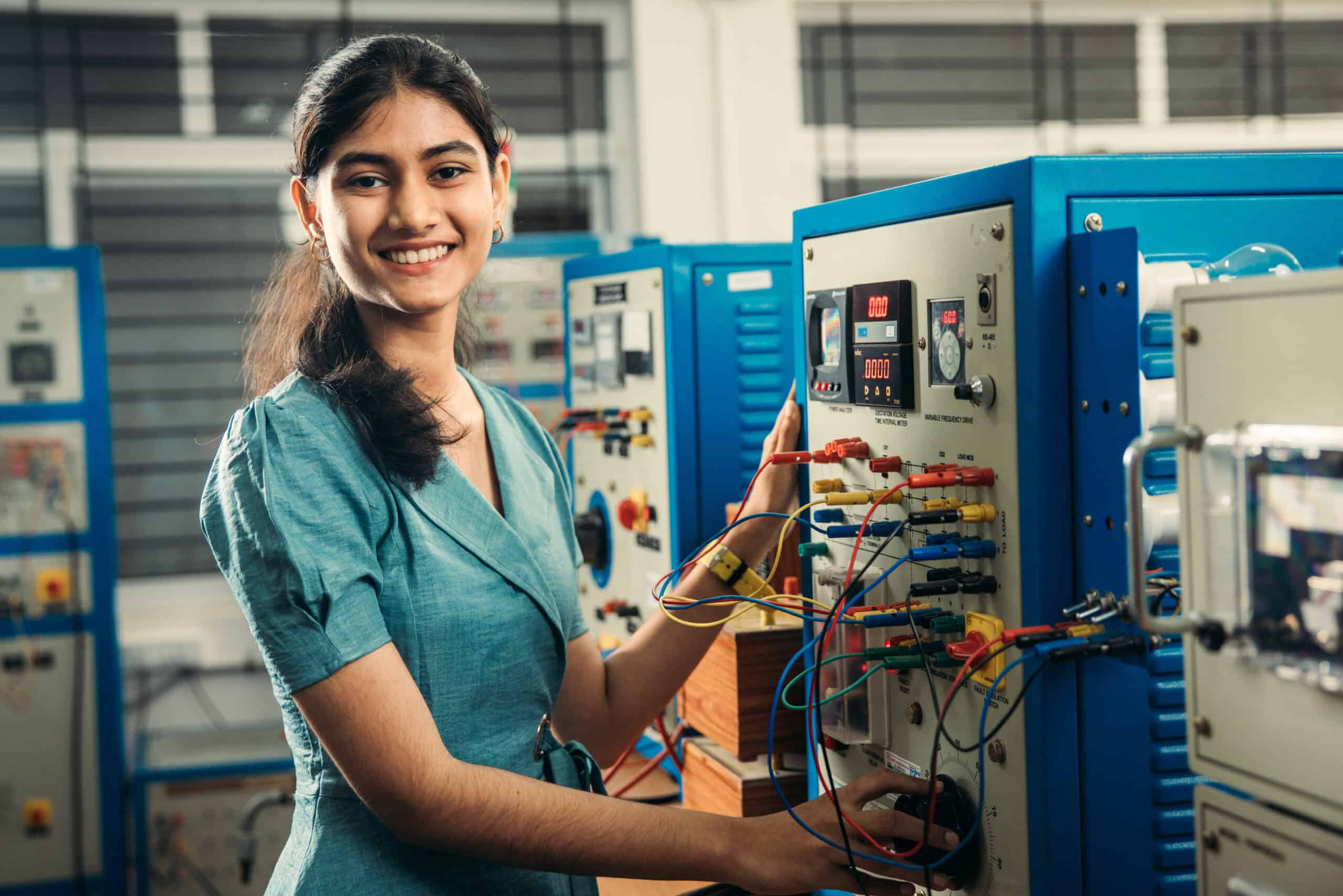
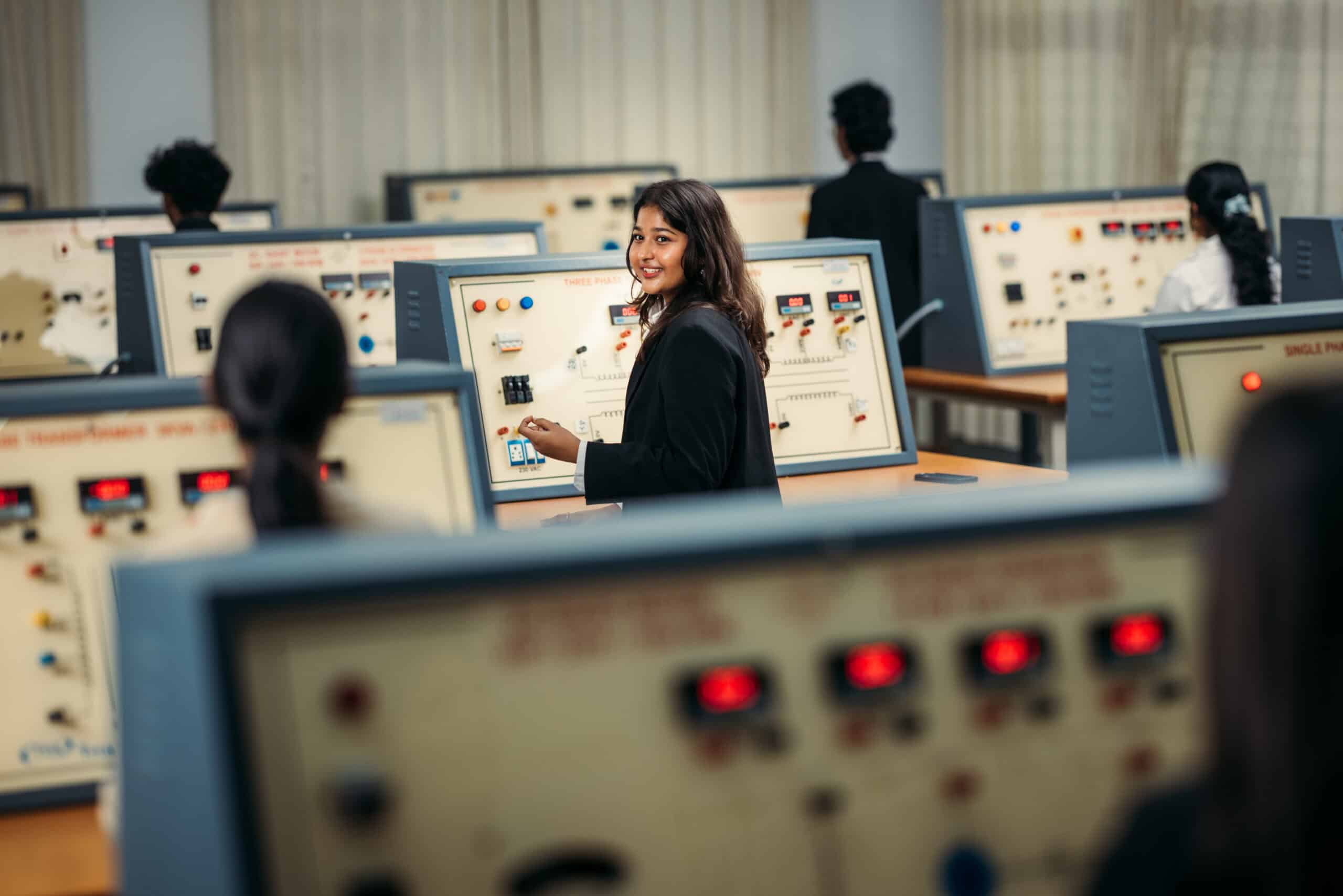
A practical engineering space where students study motors, generators, transformers, and electromechanical energy conversion. It helps them understand the behaviour, performance, testing, and applications of electrical machines.
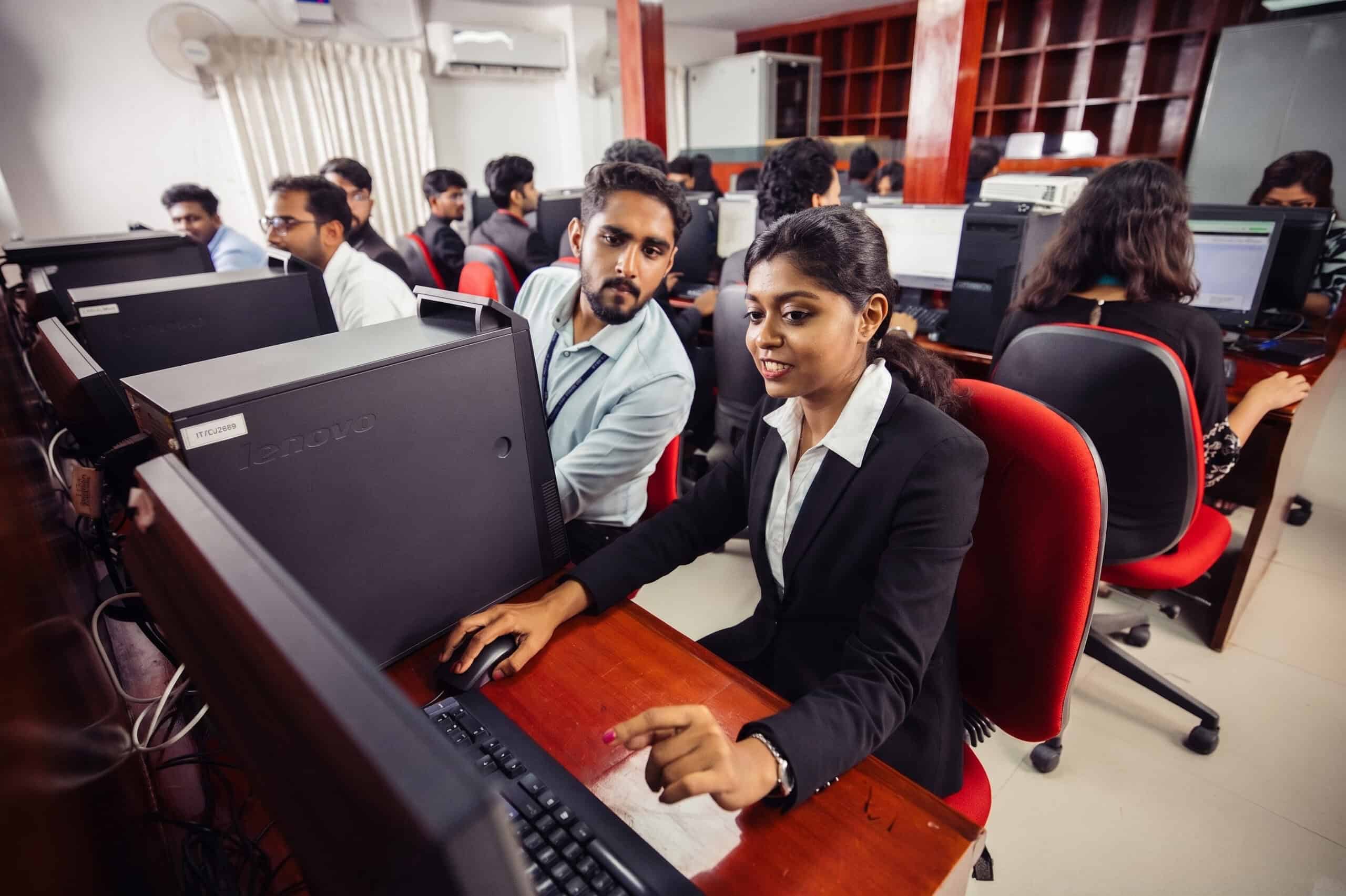
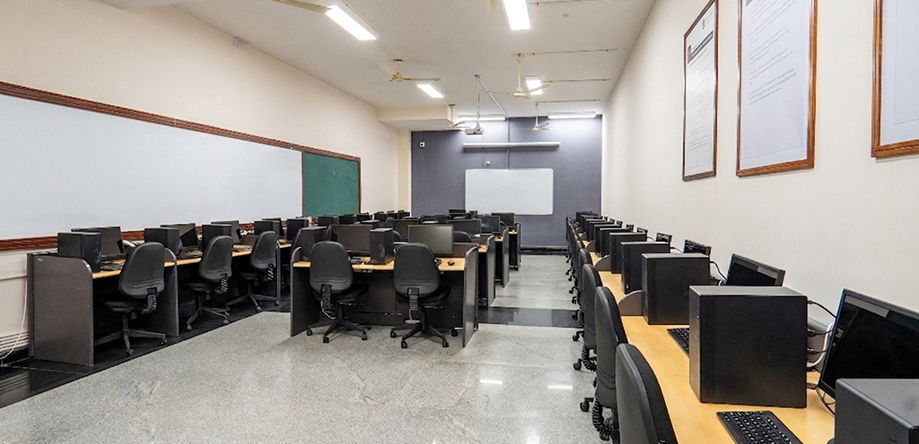
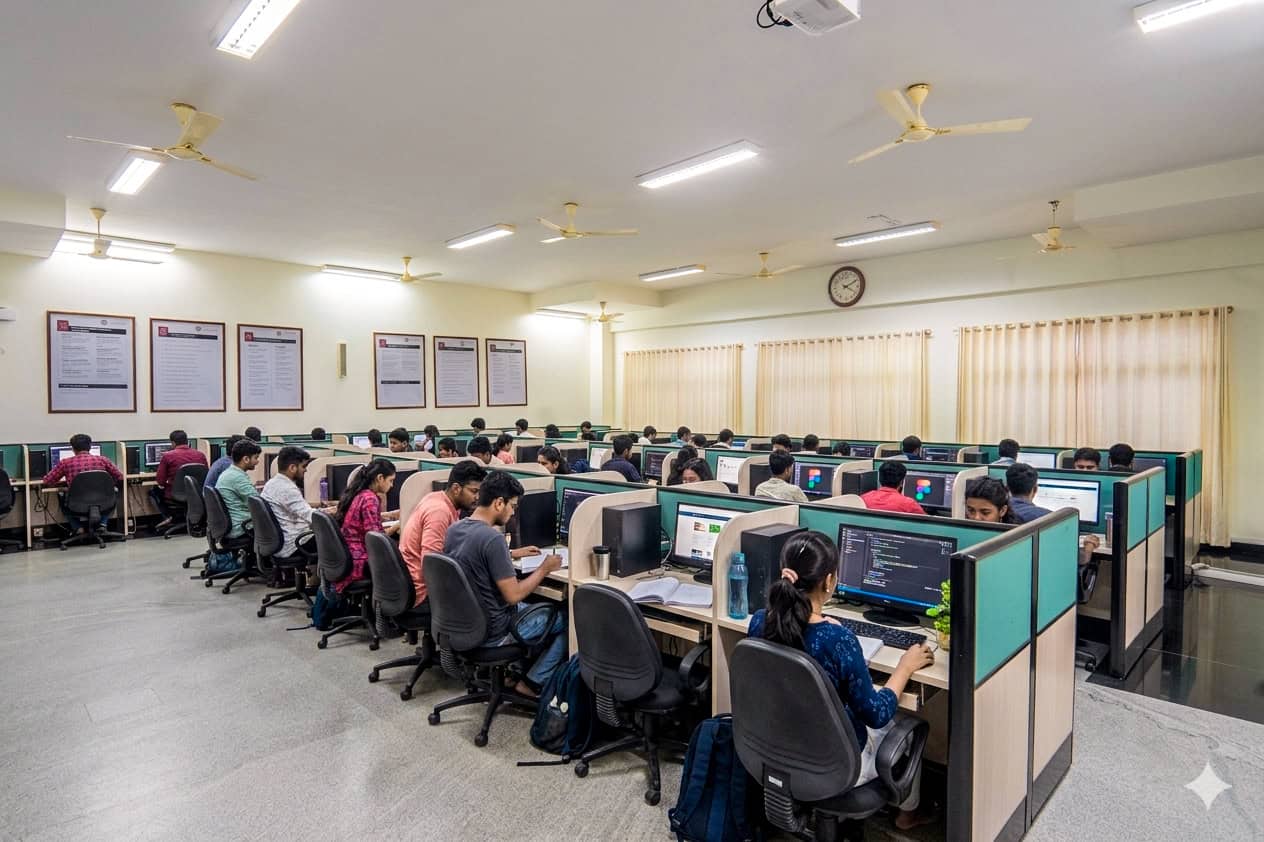
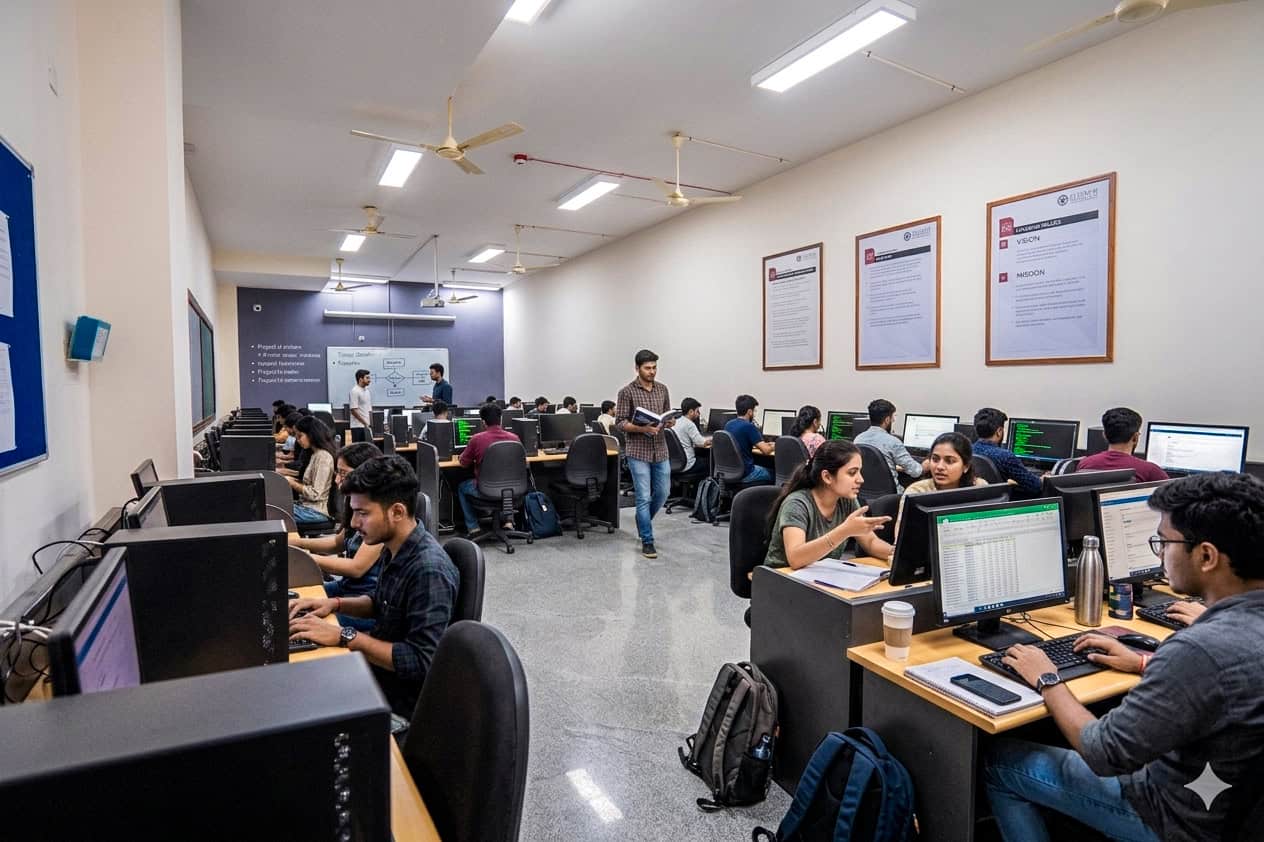
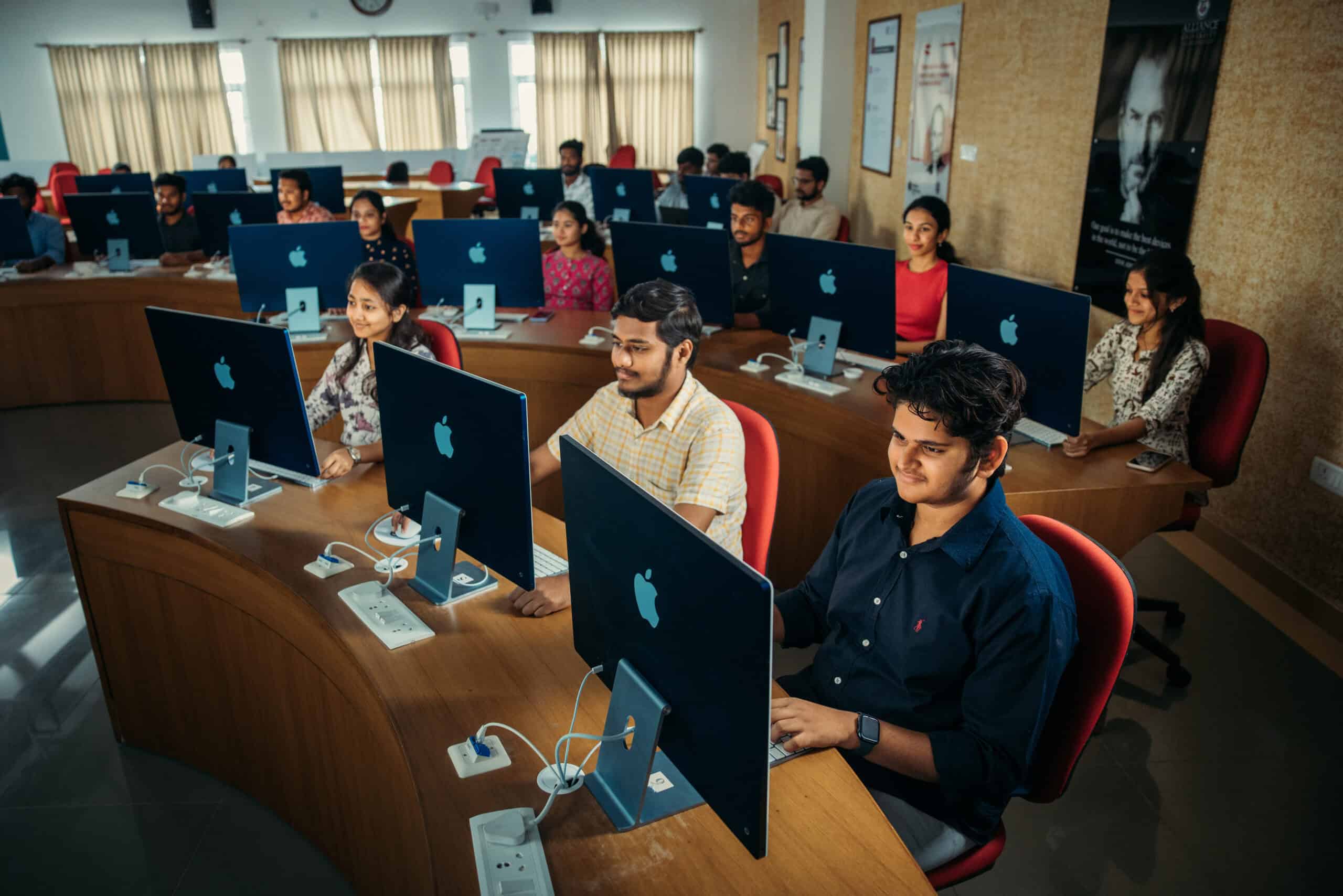
A technology-enabled space where students practise programming, computation, simulation, data analysis, and software-based problem-solving. It supports foundational and advanced learning across engineering, technology, analytics, and digital systems.