About the Department

The Department of Computer Science and Engineering at Alliance University is built around the realities of a world increasingly shaped by code, data, intelligence, and connected systems. The department prepares students to understand computing not merely as a technical discipline, but as a powerful way of solving problems, building systems, and imagining the future of industries and societies.

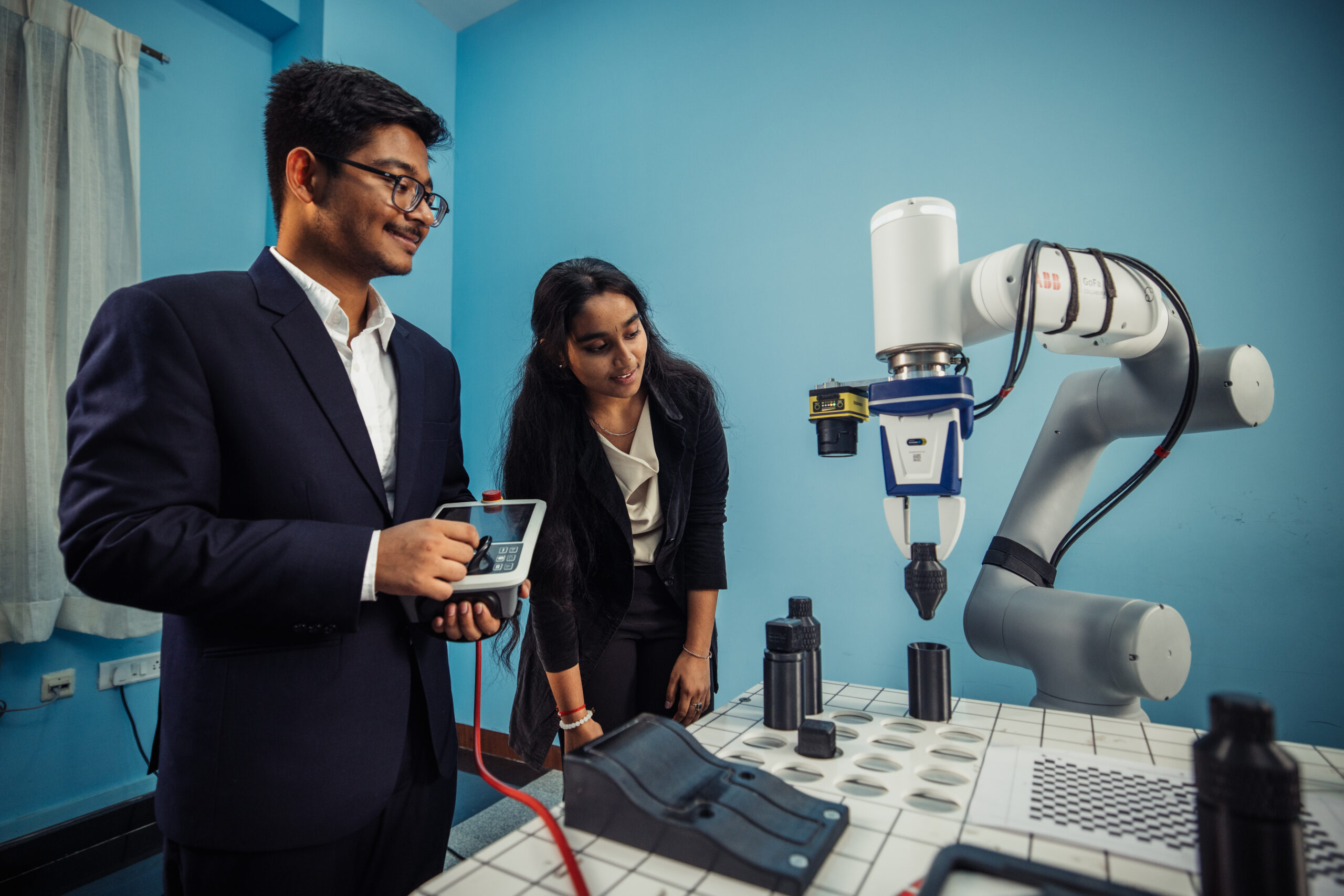
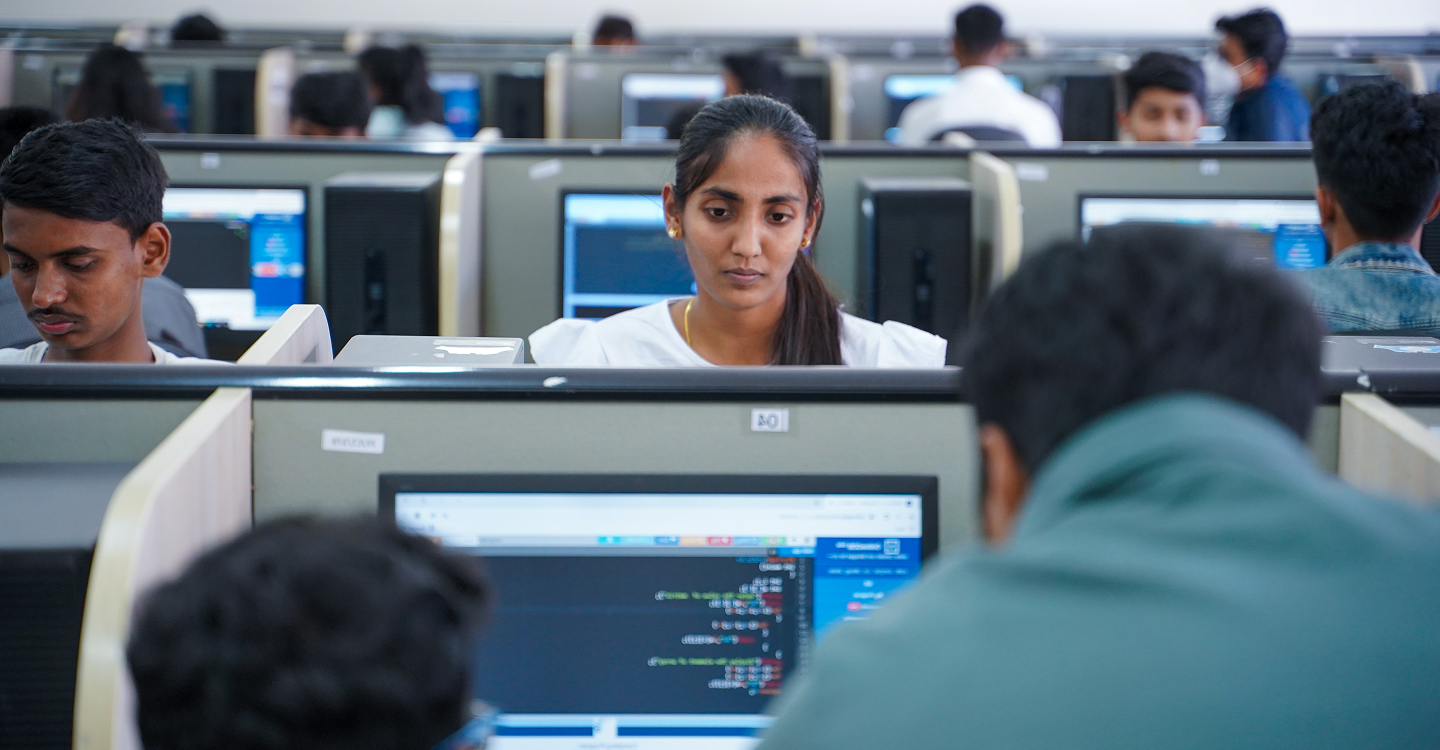
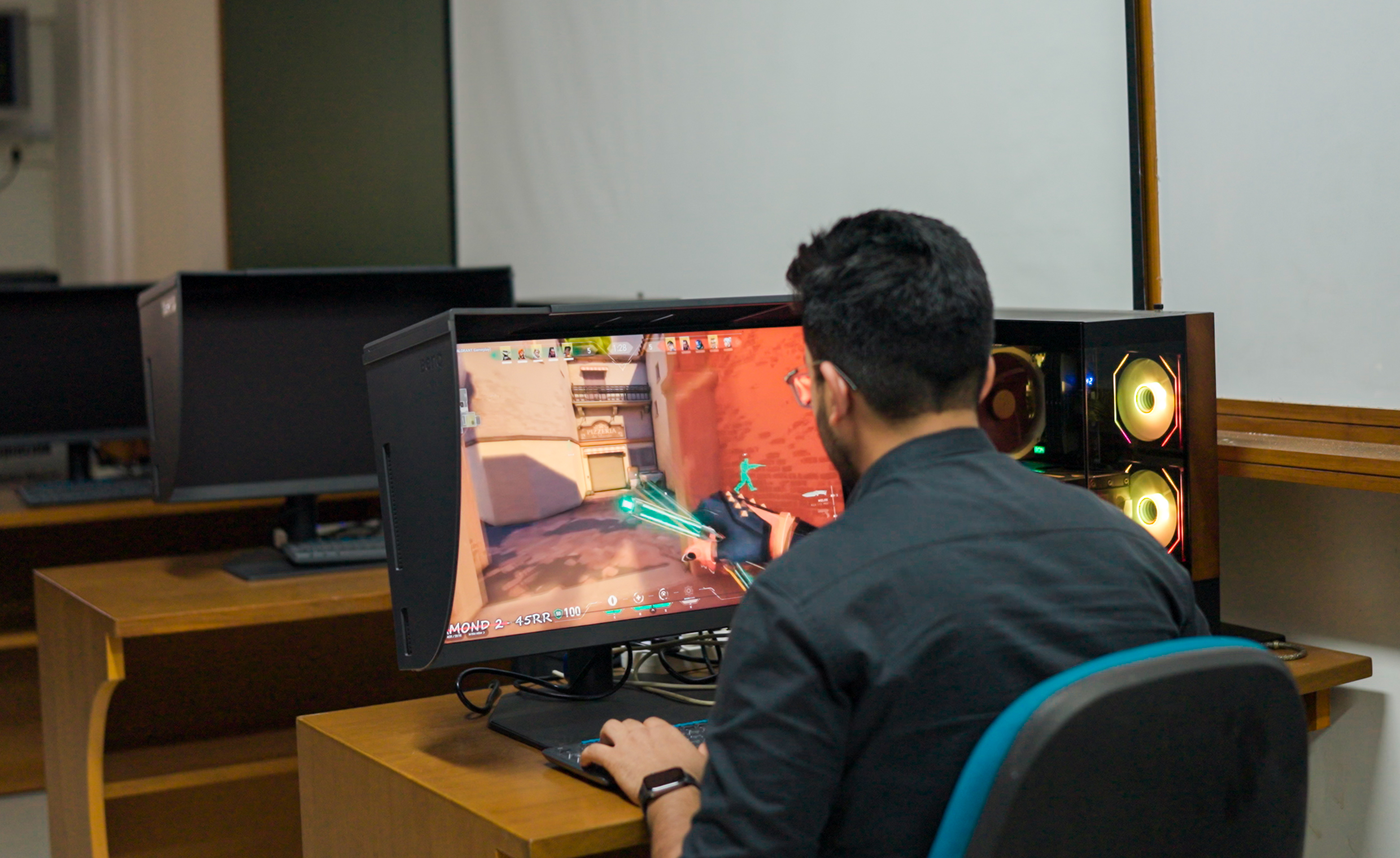
With a strong foundation in core areas such as programming, algorithms, data structures, computer networks, database systems, operating systems, software engineering, artificial intelligence, machine learning, cybersecurity, cloud computing, and emerging technologies, the department enables students to move from conceptual understanding to practical application. Learning is supported through laboratories, projects, research exposure, industry-aligned coursework, and opportunities to work on real-world challenges.

The department encourages students to think critically, design responsibly, and innovate with purpose. Through a blend of academic rigour, hands-on learning, interdisciplinary exposure, and industry engagement, it nurtures graduates who are prepared for careers in software development, data science, AI and ML, cybersecurity, systems engineering, research, entrepreneurship, and technology leadership.

At Alliance University, the Department of Computer Science and Engineering is not only about learning how technology works. It is about understanding what technology can make possible.
Students can pursue focused learning tracks that allow them to build depth in emerging areas of computer science, helping them align their education with specific career interests and industry pathways.

The curriculum is designed to reflect the evolving needs of the technology industry, combining strong academic foundations with practical exposure to current tools, platforms, and professional expectations.

Learning moves beyond the classroom through projects, labs, simulations, case-based tasks, and real-world problem solving, enabling students to apply concepts with confidence and clarity.

The department integrates AI-enabled learning tools and platforms to support personalised learning, intelligent practice, and deeper engagement with concepts, making learning more adaptive and future-ready.

Through interaction with industry mentors, students gain insight into workplace expectations, professional skills, technology trends, and career possibilities, helping them make informed academic and professional choices.

Students are introduced to advanced AI skills and emerging technologies that prepare them to engage with the next wave of innovation across intelligent systems, automation, data-driven platforms, and digital transformation.

The teaching approach encourages students to prepare, practise, collaborate, and reflect, ensuring that learning is active, participative, and focused on genuine understanding rather than passive instruction.

Guided by Our Vision

The program aspires to emerge as a model center in computer science education, research, and innovation, cultivating an ecosystem where academic rigor meets forward-thinking exploration. By empowering its graduates with advanced technical competencies and an entrepreneurial mindset, the curriculum prepares them to develop cutting-edge technologies that actively drive global digital transformation. Beyond technical mastery, the initiative bridges theory and practice, inspiring students to engineer impactful solutions that solve complex, real-world problems. Ultimately, this vision aims to shape ethical, adaptable leaders who balance rapid technological progress with social responsibility, ensuring their innovations contribute directly to a sustainable and inclusive future.

Driven by Our Mission

M1: To Deliver a future-ready curriculum and hands-on learning experiences that equip students with strong theoretical foundations and practical skills in emerging computing technologies.

M2: To Foster an ecosystem of research and innovation in emerging areas such as intelligent systems, secure computing, distributed architectures, and next-generation computing paradigms to address industry and societal challenges.

M3: To Collaborate with industry, academia, and government to provide experiential learning, entrepreneurship opportunities, and lifelong skill development.

M4: To Promote ethical computing, inclusivity, and sustainable technological solutions for global well-being.

Programs Offered
Infrastructure for Real-World Application
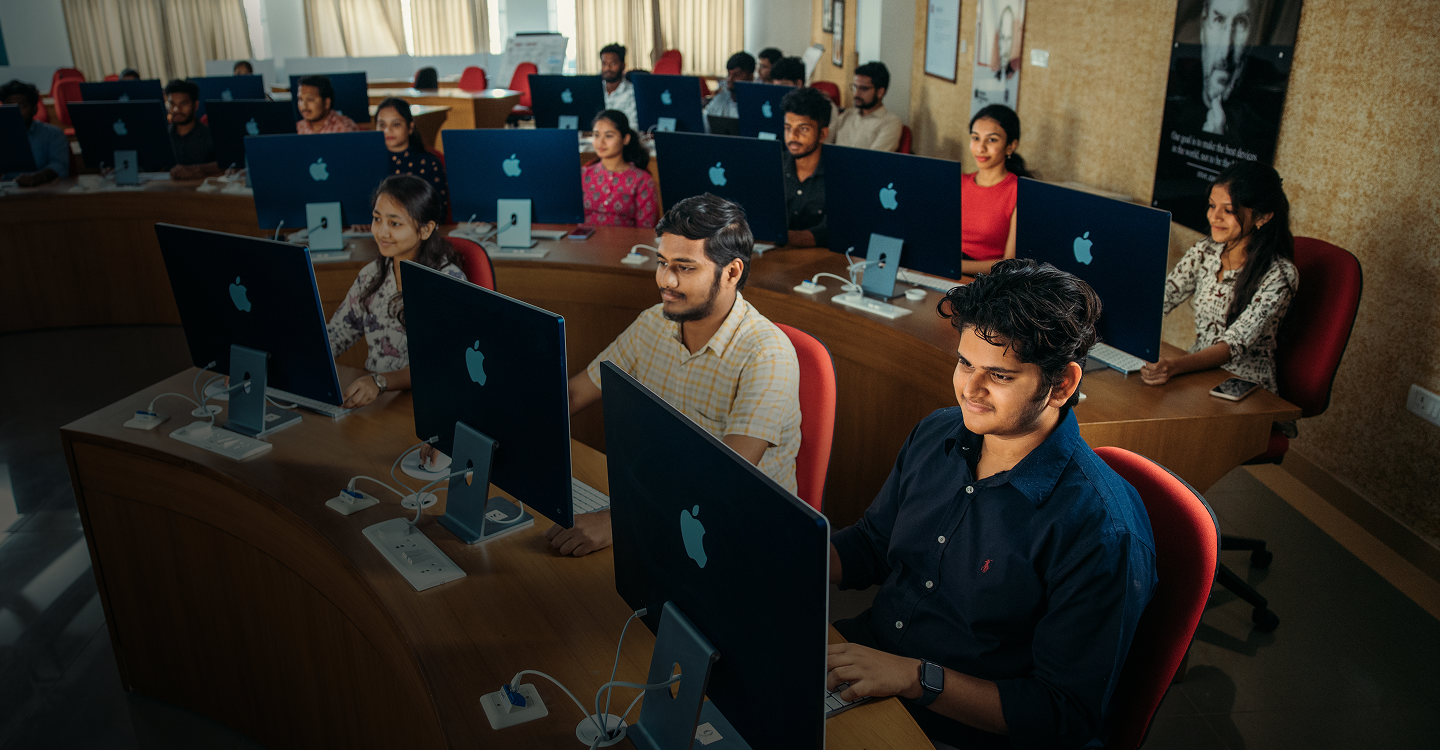
Centre of Excellence in iOS App Development

01 / 06
Infrastructure for Real-World Application
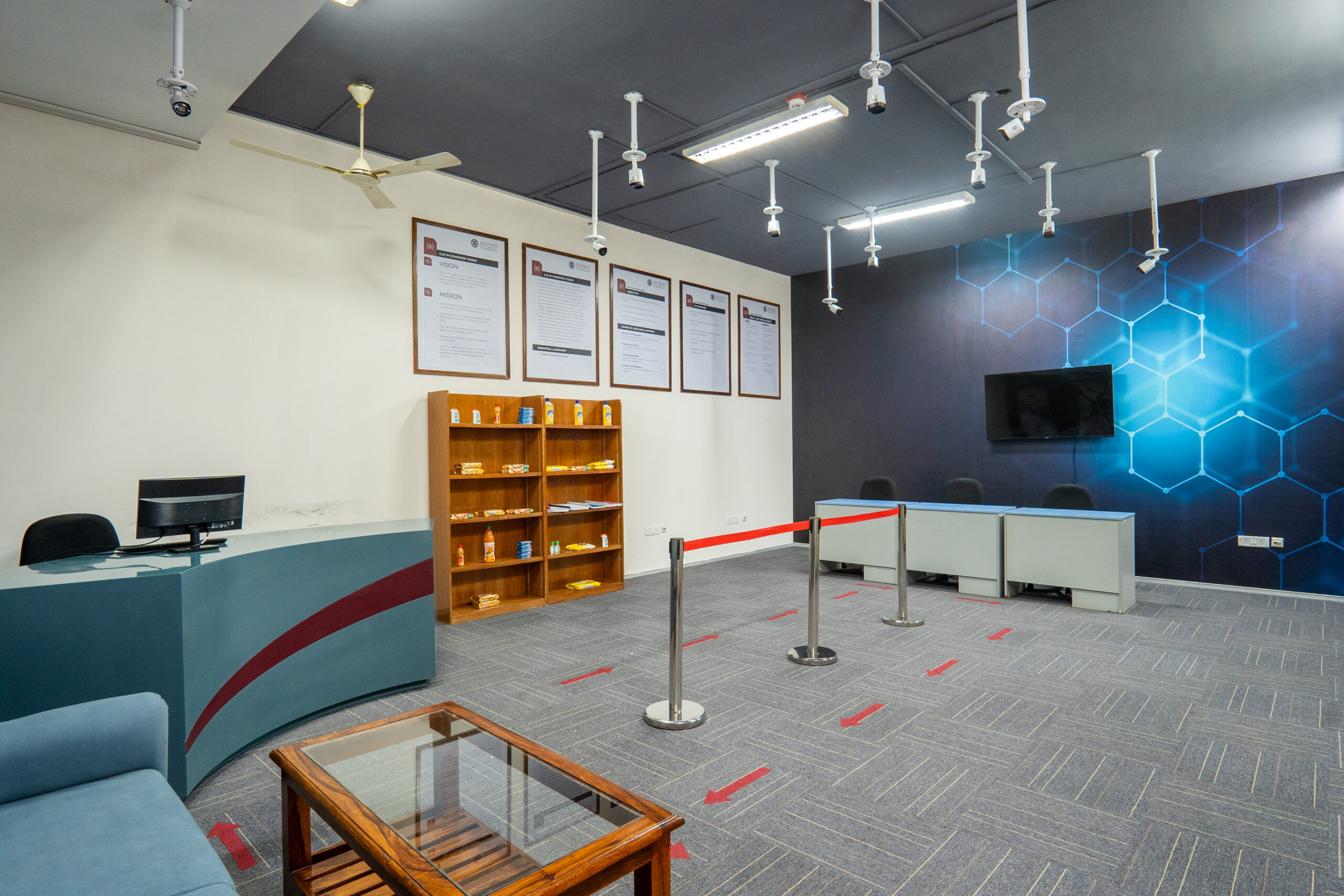
Computer Vision

02 / 06
Infrastructure for Real-World Application
Robotics

03 / 06
Infrastructure for Real-World Application
Computer Lab

04 / 06
Infrastructure for Real-World Application
Cyber Security

05 / 06
Infrastructure for Real-World Application
Human-Computer Lab

06 / 06
Clubs and Committee

Learning Beyond the Classroom

We foster peer learning, leadership, and practical exposure beyond the classroom through our student-led clubs.

The Robotics & Automation Club

Hack Club

Electoral Club (All Schools)

NextGen (AR/VR) Reality Club

Space-SAT Alliance

Alliance Science Club

Advisory Board

Led by Experience and Expertise

Our Advisory Board comprises distinguished professionals and academicians who provide strategic direction, industry insights, and academic guidance.

Dr. Annappa

Professor, Department of Computer Science and Engineering

National Institute of Technology, Surathkal

Mr. Senthil Arasu D

Program Manager

Capgemini, Bengaluru

Mr. Sangam Biradhar

Docker Captain

Docker